


Car Services to Perform This Summer

If you haven’t had your car serviced in a while, now is a good time to do it. The hot summer months can be a stressful time for your car and when you add some high-mileage road trips to the equation, your car is on anything but a summer vacation.
Below are five car services you should have done before your summer driving heats up.
Summer Car Service Checklist
1. Top off coolant and other fluids.
As summer heats up, so too will your car’s engine. If the coolant level in your radiator drops too low, you risk overheating the car and damaging the engine block or cylinder heads or blowing a gasket.
Make sure your radiator has plenty of coolant along with an adequate amount of freon in your air conditioner.
2. Check your tire pressure.
The hot summer temperature causes the air inside your tires to expand and your tire pressure to increase. When your tire pressure gets too high, traction decreases and the potential for a blowout goes up, which can lead to an accident.
Consult your owner’s manual or the sticker inside the driver’s door for your recommended tire pressure and adjust accordingly.
3. Test your battery.
Most people associate dead car batteries with cold wintertime temperatures. But heat is actually a bigger cause of a shortened battery life. And heat accelerates evaporation of fluid loss in the battery which can result in oxidation and poor connection.
Have your car battery tested at the beginning of summer or before embarking on a long road trip.
4. Have your brakes checked.
The friction created by braking produces heat, which can cause brake components to wear down. And the added heat from sizzling summer asphalt can worsen the damage even more. It’s a good idea to have your brakes checked twice a year: Before the icy road conditions of winter arrive and before the summer heats up.
5. Change your air filter.
Air filters can get pretty dirty throughout the winter and spring months with decomposing leaves, road salt and sludge and spring pollen. And because you’ll be running your air conditioner quite a bit in the summer, you’re going to want that air filter nice and clean to promote increased efficiency and air quality.
Next time you go for an oil change, have the technician check your filter and replace if needed.
Schedule Your Summer Service in Madison
The expert technicians at Zimbrick Auto in Madison, WI, can perform any of the above services and more to get your vehicle primed for summer. Check out our service specials and schedule your appointment today to help your car beat the heat this summer.
Myths about Hybrid and Electric Vehicles
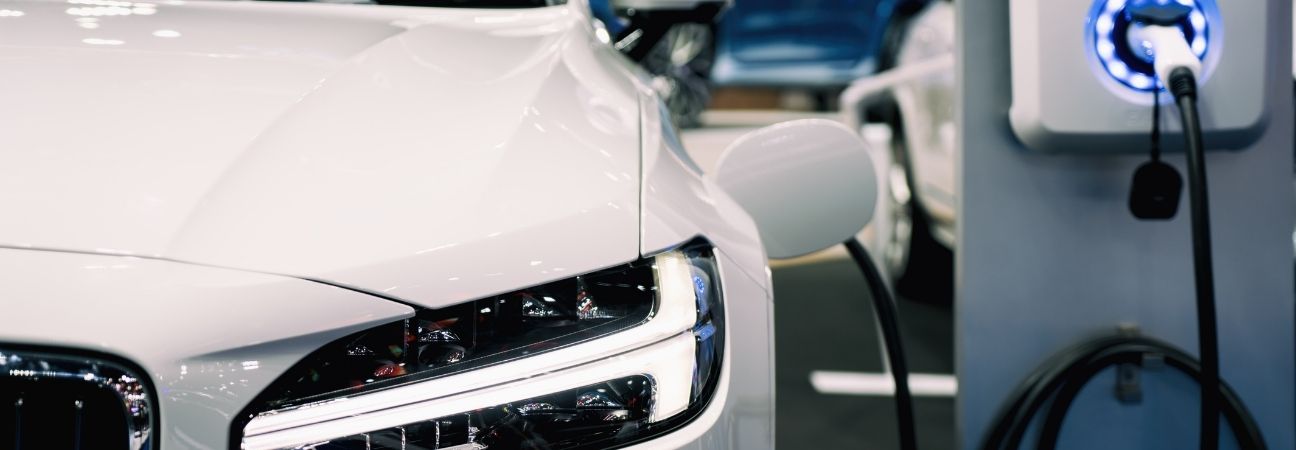
Hybrid and electric vehicles make up fewer than 3% of all automobiles sold in the U.S. And because these vehicles occupy such a small niche, it’s natural for myths about these cars to form and circulate among drivers of gas-powered vehicles.
Below are five common myths about hybrids and electric vehicles and the truth behind them.
Busting Hybrid and EV Myths
Myth #1: It’s still new and unproven technology.
Hybrids and electric vehicles may still have that new car smell because they remain unfamiliar to so many. But make no mistake about it: These vehicles have been around the block. Zimbrick sold its first Honda Insight in 2000, and electric vehicles can be traced back to the 1800s!
Myth #2: They are expensive.
While new hybrid and electric vehicles are typically priced slightly higher than gas-powered cars, it’s important to remember that drivers of hybrids and EVs are saving a considerable amount of money in gas over the long run that shrinks the price gap between the two. And it may not be long before electric cars are cheaper than gas-powered ones.
Myth #3: Their features are very basic.
Hybrids and EVs are about reducing emissions, but that doesn’t mean you’re getting a reduced experience. Today’s hybrid and electric vehicles feature many of the same style, technology and safety features as traditional cars such as smart device integration, backup cameras, Bluetooth®, keyless start, lane and blind spot monitoring and so much more.
Myth #4: They are high maintenance.
Quite the opposite actually. Hybrid vehicles require roughly the same maintenance needs as regular cars and electric vehicles require even less maintenance due to the fact that they have fewer moving parts and fluids and brake wear is reduced because of regenerative braking.
Myth #5: They are slow.
It’s a popular notion that the motors in hybrids and electric vehicles can’t keep up with gas-powered engines. That may have been true years ago, but there are many hybrids and electric vehicles being manufactured today with horsepower, towing capacity and top speeds that are right in line with the gas-powered versions of the same model.
Find Your Hybrid or EV at Zimbrick
Shop our online inventory of new hybrid vehicles and new electric vehicles for sale at Zimbrick Automotive in Madison, WI. Take a test drive today and speak to our knowledgeable sales team to dispel the myths about hybrid and electric vehicles and embark on a whole new journey.
What Is Gap Protection?

Car insurance provides financial protection for you by covering the cost of your vehicle’s value in the event of an accident.
But what happens when that value is less than what you still owe on the vehicle? That’s when gap protection, or a gap waiver, comes into play.
Gap Protection Explained
When you buy or lease a vehicle, its value can quickly depreciate. In fact, a car can lose up to 30 percent of its original value within the first year it’s on the road.
With a standard car insurance policy, your vehicle is covered for the amount of its value at the time of a claim, not its original market value. The “gap” in gap protection describes the difference between what you still owe on the car and the car’s current value, minus the cost of pre-existing damage.
This very affordable protection usually only adds a few dollars to your car’s monthly payment.
An Example of Gap Protection
Let’s say you financed a car for $28,000. After a year and a half of driving it, you get into an accident and the car is determined by your insurance company to be totaled. The current value of the car after a year’s worth of depreciation is $20,000. However, you’ve only made 18 monthly payments on the car and still owe $24,000 on the loan.
So you owe $24,000 to the bank or loan company for the vehicle, but your insurance company will only reimburse you for $20,000. Your “gap” is $4,000, and you must pay that difference yourself back to the bank.
Gap protection would cover that $4,000 difference for you, plus up to $1,000 of your deductible, relieving you of an expensive and unexpected out-of-pocket cost.
When to Buy Gap Protection
Here are some instances where it would be a good idea to purchase gap protection:
- When making a down payment of less than 20 percent.
- If you are financing for 48 months or longer.
- When rolling over negative equity from an old car loan into a new one.
- If you like the peace of mind from knowing you have protection from depreciation costs in the event of a total loss.
Gap Protection and Zimbrick Automotive
Zimbrick Inc. sells gap protection through our Finance and Insurance professionals at the time of delivery. We can build the cost of the insurance right into your monthly payment.
Shop our selection of new vehicles for sale or learn about our body shop services to see why Zimbrick Automotive is the preferred destination for car owners and shoppers in Madison, WI.
How to Service and Maintain an Electric Vehicle (EV)

Electric vehicles require less maintenance than gas-powered cars. After all, EVs have electric motors, regenerative braking, fewer moving parts, and less fluids.
But that’s not to say an electric vehicle is entirely maintenance-free. Below is a guide for how to service and maintain an EV so you can keep yours running like new even when it’s not.
EV Maintenance
An electric vehicle shares many of the same service and maintenance requirements as conventional cars. Things like tire pressure checks, windshield wiper replacements, exterior and interior washes, and air filter changes should all be performed at recommended intervals just like you would with a gas-powered car.
But there are also a few maintenance requirements that are slightly different from gas-powered cars or unique to electric vehicles altogether. Some of the most pertinent steps to maintain the health of your EV include:
Tire rotations
Regular tire rotations should be performed on any vehicle. But electric vehicles are heavier than gas-powered cars of the same size, and the extra weight can place additional strain on the tires. Plus, EV’s deliver instant torque which can also cause faster wear on the treads. You may need to rotate the tires in your EV at shorter intervals than your gas-powered cars, so consult your owner’s manual for guidance.
Battery Changes
While a battery plays a secondary role in a gas-powered vehicle, it’s the main component of an EV. The battery doesn’t actually require much maintenance, there are some things you can do to extend its life.
Avoid regularly fully charging and then fully depleting the battery, which can shorten the lifespan of the battery.
Coolant Top-Offs
The large batteries in electric vehicles take some extra effort to keep at the right temperature, so make sure you are more diligent about checking and topping off your coolant than you have been with your gas-powered cars.
Software Updates
Even more than other new cars, electric vehicles are like a giant computer and there are regular software updates to be made. Updating the software ensures the vehicle runs longer and more smoothly, monitors maintenance needs, and takes care of various safety and security issues. Stay informed about the available software updates for your EV and make those upgrades as soon as possible.
Learn More About Electric Vehicles
Which EV is right for you? Consult our electric vehicle buyer’s guide to determine which make and model is best for your needs.
Then, shop our inventory of new electric vehicles for sale along with our pre-owned EVs and discuss any service and maintenance questions with our expert staff. Zimbrick Automotive in Madison, WI, is your source for electric, hybrid, and flex-fuel vehicles. Come visit us today to test drive the vehicles of tomorrow.
What Is MPGe?
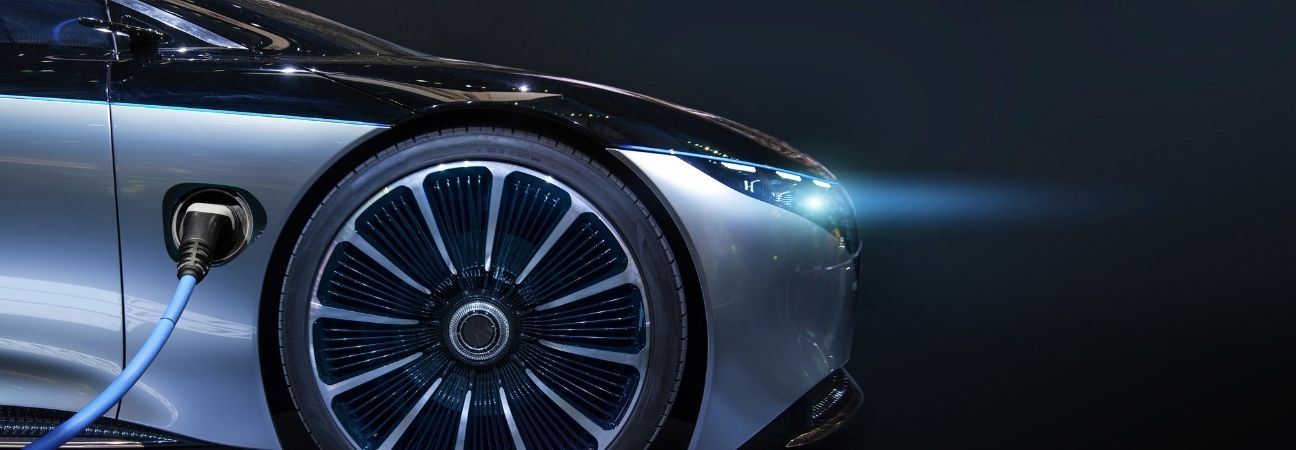
One of the parameters used to compare gasoline-fueled vehicles is miles per gallon, also known as mpg. After all, the ability to save a few bucks at the pump is high on the list for most car shoppers. But what about hybrid vehicles that rely less on gas or electric vehicles that don’t use any gas at all? Is there an equivalent measure used to compare efficiency?
The answer is MPGe.
MPGe Defined
MPGe is an abbreviation for “miles per gallon-equivalent.” In other words, it’s the electric vehicle version of mpg. MPGe was introduced by the Environmental Protection Agency (EPA) in 2010 as a means to compare the amount of energy consumed by vehicles using alternative fuels to those of gas-powered engines.
Any vehicle that is powered by electricity or compressed natural gas will be rated for efficiency in MPGe.
Calculating MPGe
Burning gasoline generates heat. Using electricity also generates heat. So MPGe is essentially the heat equivalent of mpg.
One gallon of burned gas produces 115,000 British thermal units (BTUs). Generating the same amount of heat through electricity would require 33.7kWh, the standard unit used to measure electricity.
MPGe is the distance a car can travel on 33.7kWh of electricity. So, if a vehicle can cover 60 miles for every 33.7kWh of electricity, its MPGe would be 60. That would be the equivalent of a gas-powered car getting 60 mpg.
Another Way to Measure Efficiency
When shopping for a hybrid or electric vehicle, you might also see efficiency displayed the other way around: kWh per 100 miles.
This measurement tells you how much electricity the car requires to travel 100 miles. The car in the example above with the MPGe of 60 would have a kWh per 100 miles rating of 56. That means the car would require 1.78kWh to travel one mile, or 56kWh of electricity to travel 100 miles.
When comparing MPGe, a higher number is better (more efficient). But when comparing ranges, the lower number is the more efficient range.
Test Drive a Hybrid or EV in Madison, WI
You’ll find a large selection of new and pre-owned hybrid and electric vehicles for sale at Zimbrick Automotive in Madison, Wisconsin. Come test drive one of the energy-saving cars today and speak to our friendly sales associates to learn more about MPGe.
How to Test Drive an Electric Vehicle
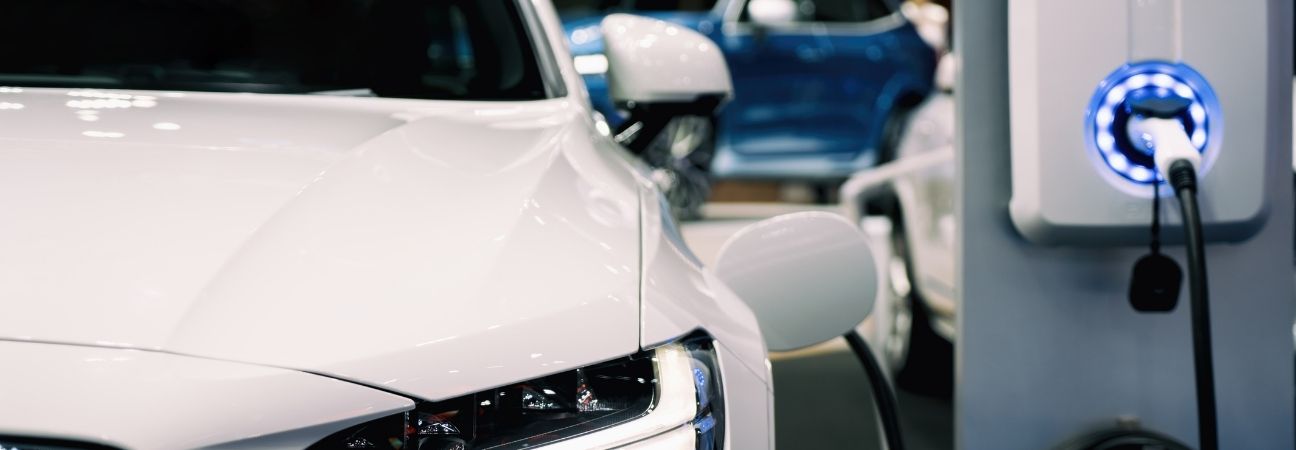
You’ve likely test driven vehicles before and have a general sense of what to look and feel for when doing so. But an electric vehicle (EV) is such a different type of ride that it requires a different set of guidelines when test driving.
Below are some tips for how to test drive an EV so you can be best prepared to shop for your next car.
Tips for Test Driving an EV
Listen
When test driving a gas-powered car, you might listen to the engine to hear how it sounds when accelerating or cruising at a high speed. But when test driving an electric vehicle, you’ll be listening for the sound of silence.
The electric motors of an EV produce only a gentle whirring noise. They are so quiet in fact that the National Highway Traffic Safety Administration implemented a “quiet car” rule requiring EVs to make a sound at low speeds to alert nearby pedestrians of their presence.
Look
Look behind you. You won’t see a trail of tailpipe emissions following you around. In fact, you won’t even see a tailpipe period. EVs do not have internal combustion engines and hence do not have any fuel to burn and release.
Feel
An electric vehicle looks and sounds different, but where it really stands out in a test drive is in the feel.
The first thing you’ll notice is the instant torque. While EVs are not known for power, they actually accelerate quicker than gas-powered cars because the electric current turns the motor faster than burning fuel. As a result, electric cars can reach maximum torque from a standstill.
As you continue to accelerate, you’ll notice there is no shifting lag. That’s because EVs operate with a one-speed transmission, creating a smooth and seamless ride from start to finish.
That same smooth feeling will continue as you brake, thanks to the electric car’s regenerative braking which sends kinetic energy back to the battery when braking.
You’ll also feel how responsive the handling is, because EVs tend to have a lower center of gravity than gas-powered vehicles.
Test Drive an EV Today in Madison, WI
Now that you know how to test drive an EV, come do it at Zimbrick Auto in Madison, WI. You can browse our selection of new electric vehicles for sale online and then hop in the driver’s seat upon arrival.
And if it’s energy savings you’re after, we also have a large inventory of new hybrid vehicles for sale.
Come visit us today and shift your new EV test driving knowledge into gear at your local Zimbrick dealership in Madison.
5 Things to Do Before Driving Again

Between working from home and having so many things cancelled or held virtually, Americans have been driving less during the pandemic. The stay-at-home lifestyle has been good for your gas budget, but what about your car?
A lot of sitting around isn’t always great for a car and can lead to some issues that may need addressing once you start hopping in the driver’s seat again. In observance of National Car Month this April, below are five things to pay attention to as you start driving more again this spring.
National Car Care Month Checklist
Battery
Batteries that sit idle can lose their charging ability in as little as a few weeks and will then fail to start once you finally try. You may be able to jumpstart your car, but you should still test the battery and replace it if needed.
Tire Pressure
Tires that remain stationary can gradually lose air and flatten to the point where it becomes dangerous to drive. Give all four tires a pressure check before leaving the driveway this spring.
Fluids
When an engine doesn’t run, its fluids don’t move. And when fluids don’t move, they become stale, hard and dirty. Have your oil, brake fluid, power steering fluid and more checked before embarking on any long trips.
Gas
A near-empty gas tank can build up moisture over time and old gas can go bad. Top yourself off with some fresh gas or even add a fuel stabilizer.
Exterior
If your car has been parked for a long stretch of time, especially outside, it may have accumulated dust, pollen, leaves, pine straw, or moisture. It may have even welcomed some insects or wildlife. Long-term exposure to debris can compromise a car’s paint and corrosion can more easily set in. Give your car a nice wash and wax this spring and touch up any blemishes.
Celebrate National Car Care Month at Zimbrick
Whether you’re in need of a tuneup or in the market for a new car, Zimbrick Automotive in Madison, WI, is the place to observe National Car Care Month. Learn about how our service centers can get you back on the road or how our selection of new or pre-owned vehicles for sale can send you in a whole new direction.
Celebrate National Car Care Month at the place where customers are celebrated every month.

An electric or hybrid vehicle is a big transition from a traditional gas-powered vehicle, and knowing a few key things about these cars can be helpful during the shopping experience.
Below are five things to know before you buy an electric or hybrid vehicle.
Know the difference between them
A battery electric vehicle (BEV) runs exclusively on electricity generated from a rechargeable battery. A hybrid electric vehicle (HEV) uses a mix of both electricity and gasoline. And a plug-in hybrid electric vehicle (PHEV) has both electric and gas capabilities.
Learn the difference of each type and determine which one might be best suited for you.
Know the driving ranges
The distance you can cover with an electric car differs greatly from that of a hybrid, and driving ranges can vary within each model as well. While an electric car generally has a longer range than a hybrid on electricity alone, hybrids have a gas tank as a backup option to extend driving times between battery charges.
Consider how you plan to be using the vehicle and how the driving range will suit your needs.
Know where charging stations are located
Electric and hybrid vehicles can be charged overnight at your home. But it’s helpful to know how accessible additional charging ports are around town as certain markets offer many more than others.
Know your incentives
The federal government offers a $7,500 subsidy to persuade drivers to make the switch to electric and hybrid vehicles. Check to see the rebate available on the year, make, and model you’re interested in to help you shop within your budget.
Know whether you want a new or used vehicle
Should you go with a new car or a used one? New electric and hybrid cars can come with the aforementioned tax incentives while a used electric or hybrid vehicle can bring tremendous value because they generally have fewer miles than other cars their age.
Get to Know These Vehicles in Madison, WI
The final thing to know before buying an electric or hybrid vehicle is that Zimbrick Automotive is the place to do it. We carry a wide selection of new electric and hybrid cars for sale, along with a diverse inventory of used electric and hybrid vehicles.
Come see these cars for yourself to learn more and take one for a test drive today at any of our Madison, Wisconsin, locations.
EV vs. PHEV: What’s the Difference?

If you’re considering buying an electric vehicle, the first step is to learn the various acronyms used to categorize these types of cars. Namely, EV vs. PHEV.
In short, “EV” refers to electric vehicles that run exclusively on electricity while “PHEV” refers to plug-in hybrid electric vehicles that are powered by a mix of both electricity and gasoline.
What’s an EV?
An EV model is all electric, all the time. These vehicles have no conventional engine and are instead powered by rechargeable batteries. There’s also no clutch, gearbox, transmission, or exhaust pipe.
The batteries in EV cars are charged by plugging the vehicle into an external charging port. Driving ranges vary by model, but many of today’s EV cars can drive a couple hundred miles on a single battery charge.
What’s a PHEV?
A PHEV is a mix between an electric vehicle and a traditional gas-powered car. These vehicles share the same plug-in attributes as the EV models, but a PHEV is only good for around 20 to 50 miles of electric-only driving depending on the model.
Where a PHEV differs though is that once the electric battery is drained, the car then runs on gas just like a regular vehicle. This allows drivers to run exclusively on electricity for short trips around town and only revert to using gas for longer trips.
In other PHEVs, the electricity coming from the battery serves as a supplement to the gasoline-powered engine and the car can run on both at the same time to achieve well over 100 miles to the gallon of gas mileage.
Deciding Between EV and PHEV
So which type of electric vehicle is right for you? It may depend largely on how you plan to use it.
If you intend to just make short trips around town and wish to reduce your carbon footprint as much as possible while increasing your transportation savings, an EV might be or you.
If you anticipate using the car to make some longer trips to the beach or to visit family, the increased driving range of a PHEV may be better for your needs.
Find Your Electric Car at Zimbrick Automotive
Want to learn more about the difference between EV and PHEV vehicles? Visit Zimbrick Automotive in Madison, WI. Our experts can answer your questions about these cars and send you on a test drive so you can experience the smooth and quiet ride these cars are known for.
Check out our inventory of new hybrid vehicles for sale and increase your savings even more by shopping in our used hybrid inventory.
Now that you know the difference between an EV and a PHEV, it’s time to take that next step by visiting your nearest Zimbrick dealer today.
How to Find the Car You Love in Madison, WI

Finding your one true love can be difficult. There are so many different options, and how do you know you’re choosing the right one? Shopping for a car can feel the same way. But our handy guide, coupled with our diverse inventory, can set you up with your automotive soulmate and help you find the one car you truly love.
Matching You With the Right Car
I want something family-friendly
If kids are regular passengers on your route, an SUV can make the drive safer and more practical for everyone. Our selection of new SUVs for sale includes a number of compact and crossover designs that have become so popular in recent years.
I want a vehicle that can make life easier
Whether it’s transporting furniture, hauling off some junk or towing a trailer, a pickup truck can make life’s little chores a whole lot easier. Our inventory of trucks includes both crew cabs and extended cabs fit for the job.
I want to enjoy driving again
Driving doesn’t have to be a bore, and it never is with a fun and sporty ride. Browse our selection of fast and furious coupes and convertibles, sure to make going to work fun and exciting again.
I want something light on the wallet
If you want to burn rubber without burning your budget, a pre-owned car might be your solution. We carry a wide variety of used cars, trucks, and SUVs for sale.
I want something practical
Just want something to go from point A to point B without the frills? Put the practical back in your drive with our lineup of sedans, wagons, and hatchbacks.
I want to do my part to help the environment
If you want something that’s not a gas guzzler, consider buying a hybrid or electric vehicle for sale right here at Zimbrick.
I want to reward myself
If the car you love is one that others will, too, check out our inventory of luxury models like BMW, Mercedes-Benz, Porsche, and more.
Fall in Love at Zimbrick
Find the car you love at the dealership that loves you back. Zimbrick Automotive can be found in locations across Madison, WI, and you can test drive any vehicle in our fleet today. Come see us and meet your next true love.
Connect with us
