

The Benefits of Car Window Tinting
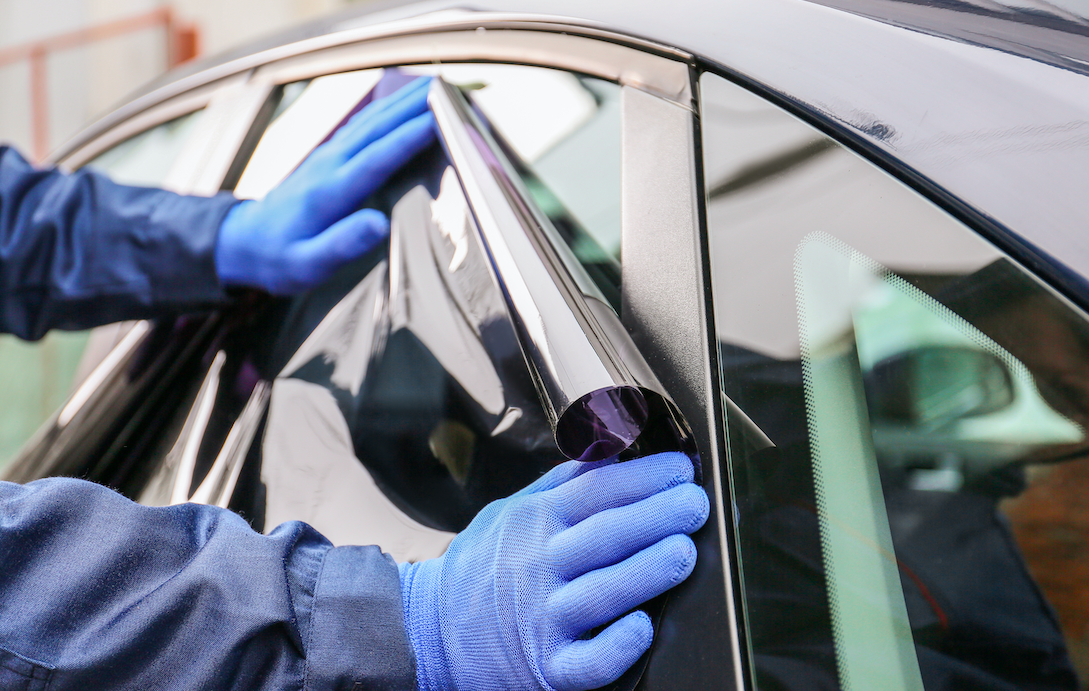
Despite conventional wisdom, it’s not always advantageous to have crystal clear windows on your car. There are actually a number of benefits to having tints on your windows, which we’ll detail below.
Tinting Your Car Windows: The Benefits
Some of the advantages of tinted windows include:
UV protection
Most people overlook the fact that your skin can suffer sun damage from inside your car. But window tints can block up to 99% of the sun’s UV rays for added protection while you drive.
Preserving your interior
UV rays don’t just damage your skin. They also cause interior materials like your seats and dashboard to fade and crack. Tinted windows can preserve these materials and extend the life of your car’s interior.
Accident safety
A window tint is a film that sticks to the window and has the tendency to hold broken glass together in the event of an accident, thus preventing dangerous shards from flying around.
Increased privacy
Window tints allow you to look out while making it harder for others to see in. And that makes it more difficult for anyone to see valuables left inside your car.
Improved comfort
By blocking out UV rays, window tints can make the inside of a vehicle significantly cooler and more comfortable, particularly during hot summer months. Window tints also reduce glare from the sun for greater comfort for your eyes.
Better gas mileage
Running the air conditioner stunts your gas mileage. By blocking the sun and cooling the cabin, window tints allow you to cut down on your air conditioner use and get more mileage out of your tank.
Sharper look
There’s no other way to put it. Tinted windows give a car some attitude and improve the overall style of the exterior.
Window Tinting Service in Madison, WI
Zimbrick provides packages for detailing, accessories, and upgrades, and window tinting happens to be one of our specialties. We have the ability to tint windows of all makes and models.
Learn more about our window tinting services at locations like BMW of Madison, and schedule an appointment with our team to start enjoying the many benefits of window tinting.
We also stock a variety of new and used vehicles for sale with windows that are already tinted, so check out our inventory of cars for sale if you’re looking for a fresh set of wheels to go with your new windows.
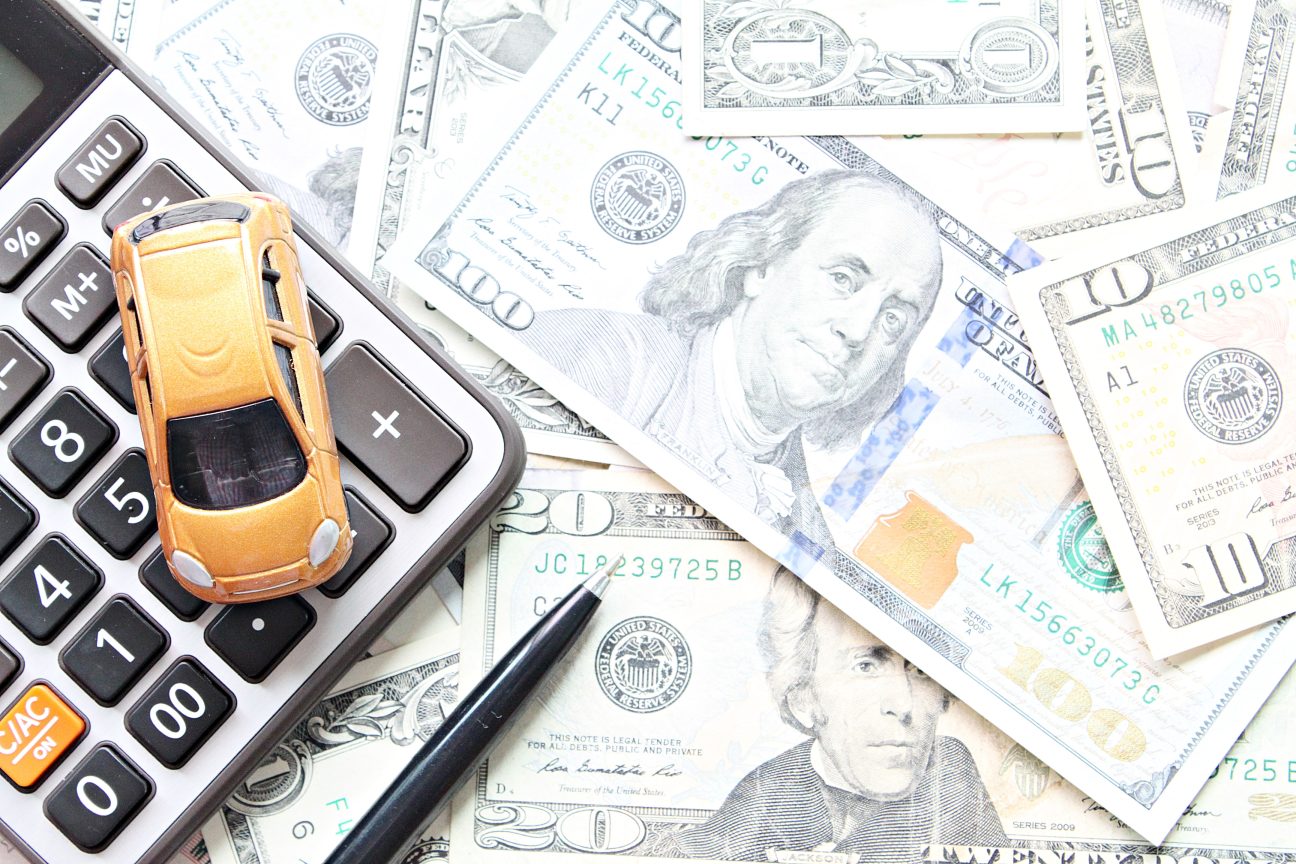
There are plenty of ways to save money on a new or used car purchase. But the savings don’t have to stop there. Below are 10 money-saving driving tips for long after the point of sale.
Be Kind to Your Wallet With These Driving Tips
Drive smooth and steady
Fast driving and quick accelerating may be a thrill, but it’s a costly one. Driving just below the speed limit and avoiding quick accelerations uses your gas more efficiently and reduces wear and tear on tires and engine parts.
Avoid excessive idling
If you’re stuck at a railroad crossing, waiting for a passenger to run inside a store or any other situation where you might be idling for more than just a minute, go ahead and turn off the engine. In addition to further polluting the air, idling your engine is a major waste of gas.
Monitor your tire pressure
Under-inflated tires cut into your gas mileage and are also prone to wear out faster. Keep tabs on your tire pressure, especially during the winter as colder temperatures can cause tires to lose PSI.
Use the right oil
The wrong motor oil can cause the engine to work harder, which wastes gas and wears down parts. Determine the right type of oil for your car and have it changed according to the manufacturer’s recommendation.
Change your filters
Clean air and oil filters help your engine run more efficiently. Change your oil filter every time you have your oil changed, and change out your air filters every 12,000 to 15,000 miles. The upfront investment will pay off in the long run, and you’ll extend the life of certain engine parts and get better gas mileage in the meantime.
Use cruise control when you can
Using cruise control when out on the open road can conserve fuel and prevent the engine from being overworked. Just know when and when not to use cruise control, and follow the recommended safety tips for doing so.
Fill up early in the week
Gas prices typically rise later in the week as the weekend nears, so topping off on a Monday or Tuesday can often save you a few bucks at the pump. You can also use an app like GasBuddy to compare prices on your smartphone.
Have regular tuneups
A finely tuned vehicle is not only safer and more reliable, but it’s also a money saver. You’ll improve gas mileage, cut down on wear and tear, and detect any minor problems before they become bigger and more expensive fixes.
Turn off the air conditioning when possible
Opt for cracking some windows in lieu of running the air conditioner. According to the U.S. Department of Energy, the air conditioner can reduce a vehicle’s fuel economy by more than 25%.
Drive a more fuel-efficient car
Today’s cars are becoming impressively fuel efficient. And it’s not just small cars, hybrids, and electric cars, either. Even many trucks and SUVs, long considered gas guzzlers, are now getting in on the act and displaying some competitive fuel economy. Consider trading in your vehicle for one that is more efficient.
Savings Start in Madison, WI
Kickstart your savings at Zimbrick Automotive by scheduling some preventive maintenance or checking out our selection of new and used vehicles for sale. You can use the tips above to save money while you drive, but a trip to Zimbrick can get you started down the right path.
Come see us at your nearest location in Madison, Wisconsin, today.
What You Should Know About Car Warranties
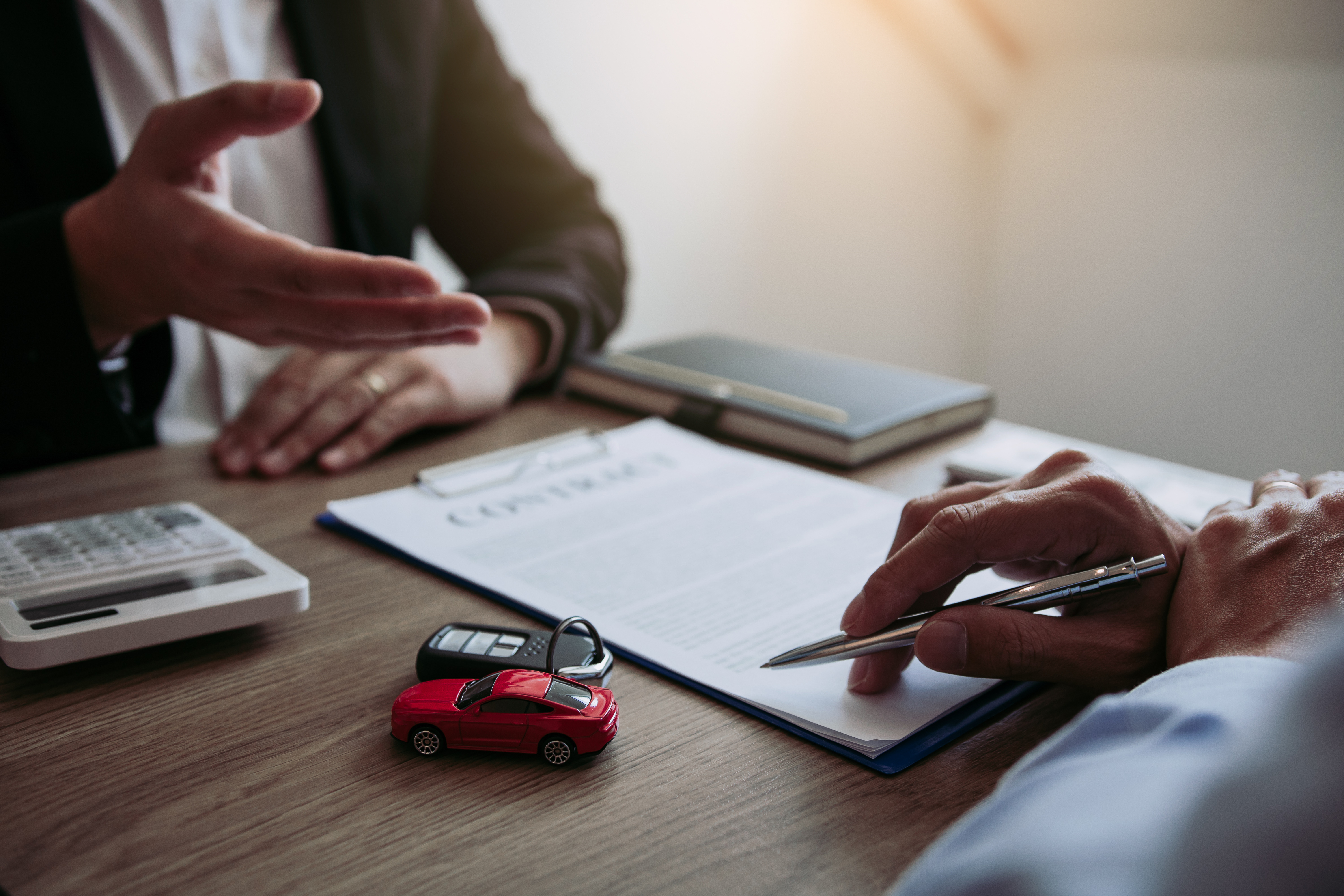
A car warranty is like a seatbelt for your wallet. While new vehicles are unlikely to experience any major problems in the first few years, a warranty protects you in case of the unexpected. But the particulars of car warranties can sometimes be difficult to understand.
Below, you’ll find five things every driver and car shopper should know about car warranties.
Car Warranties: The Basics
They are not limited to new cars
Car warranties are not limited only to new cars. You can get a warranty for a used car as well, which is essentially an extension of the warranty that came with the car when it was new.
Some can be transferred
When one owner sells a car to someone else, the warranty may be transferred in many cases. A car warranty that is transferable can add a considerable amount of value to a used car.
There is different terminology to know
Car warranties come packaged according to what they cover. Some examples include:
- Factory warranty: Covers manufacturer’s errors or poor workmanship.
- Bumper-to-bumper warranty: Can cover a wide range of major vehicle systems, such as heating and air, electrical components, steering, safety features, and infotainment technology.
- Powertrain warranty: Includes the engine, transmission, axles, drive shafts, gaskets, and more.
Tires may be covered
Tires are usually categorized as a “wear and tear” item and are typically not included in a car warranty’s coverage. However, there are some manufacturers that will include limited coverage for tires.
They can be extended
Standard warranties provide coverage for a select number of years or mileage. For example, a warranty might be good for three years or 36,000 miles, whichever comes first. But extended warranties can be purchased to take your coverage the extra mile.
Ask About Warranty Options in Madison, WI
You’ll find a variety of car warranties here at Zimbrick Automotive that come packaged with our new vehicles for sale, along with our inventory of used cars, trucks, and SUVs. Speak to our staff about any coverage details or about extending your warranty for even further protection.
Driving in the Snow: How to Stay Safe
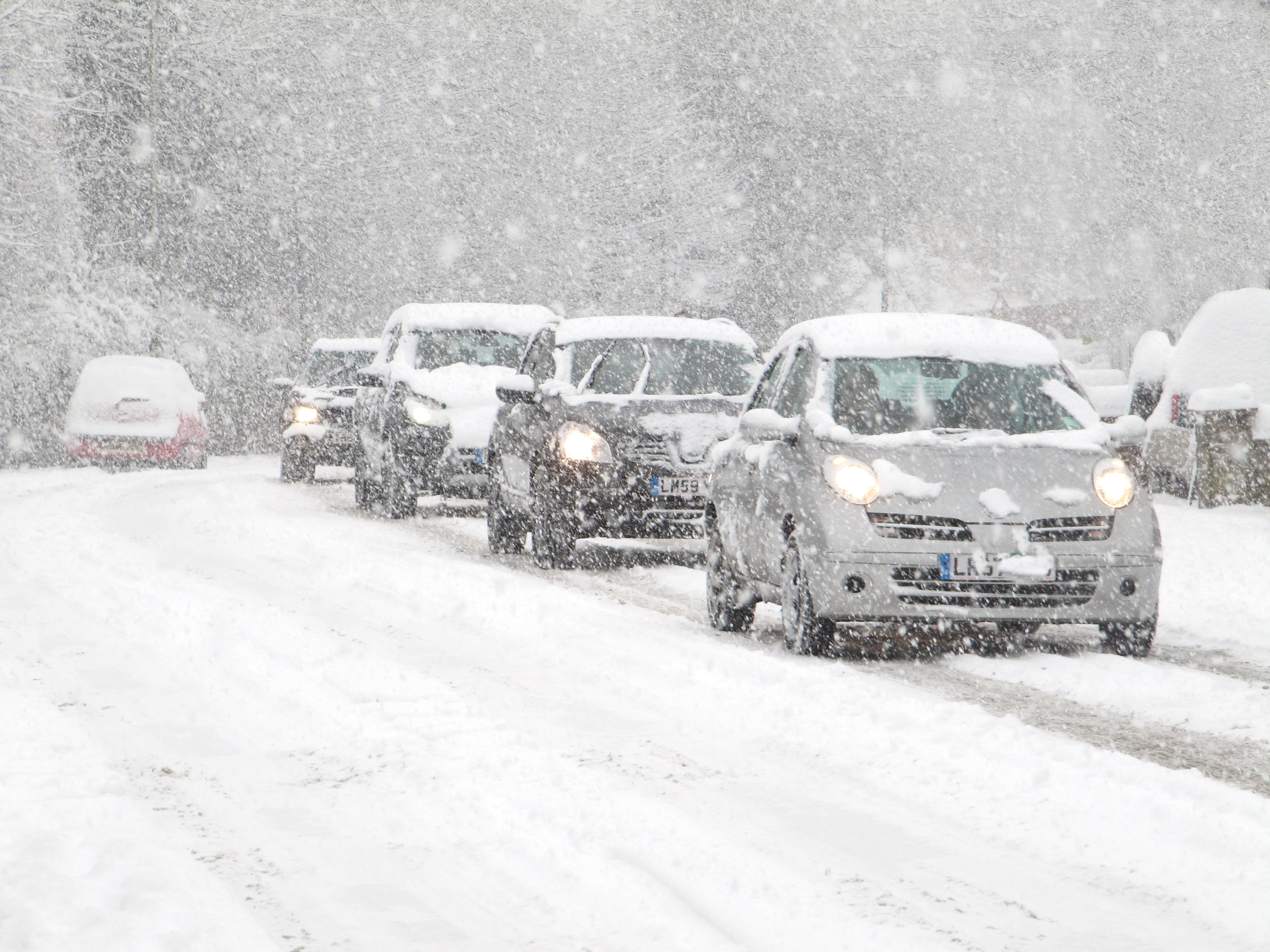
About 17% of all traffic accidents in the U.S. happen during winter conditions. However, there are certain things you can do to drive more safely in the snow and reduce your chances of adding to this statistic.
How to Stay Safe in the Snow
Slow down
It’s an obvious one, but it bears repeating. Ignore the speed limit, and only drive as fast as your traction will allow. If you feel the car slipping, you’re probably going too fast.
Accelerate and decelerate gradually
Gradually apply pressure to the gas pedal to get your vehicle moving from a standstill. If you try to accelerate too quickly, you may skid and lose control. And it takes far longer to slow down on slippery roads, so begin a slow and gradual braking process well before you typically would.
Don’t tailgate
As noted above, your stopping distance increases in the snow and ice. So your following distance should also increase.
Get winter tires
Winter tires, or “snow tires,” are designed to deliver better traction on snow and ice and should be outfitted on your car before the first snowfall of the season.
Clear your car
Before heading out, clear off all the snow and ice from all windows and mirrors for maximum visibility. Also clear the snow off your roof so it won’t topple onto your windows while driving.
Make your lights visible
Give your headlights, fog lights, tail lights, and turn signal lights a quick check as winter approaches, and apply a cleaning to the outer covers.
Keep your tires inflated
Tire pressure dips when the temperature does, and under-inflated tires can present an increased risk. Check your tire pressure each time you fill up with gas in the winter.
Don’t use cruise control
You can’t react with the brake pedal as quickly while on cruise control. Plus, winter driving requires more touch-and-go of the gas pedal, especially when cornering. Leave the cruise control off when driving in the snow.
Know your technology
There are various dashboard lights to alert you of the status of things like traction control and anti-lock brakes. Familiarize yourself with any technology your vehicle has related to driving in slick conditions. Many vehicles also have different driving modes, including one that is designed specifically for snow and ice.
Keep a winter emergency kit
When driving in snow, you always have to consider the risk of becoming stranded. Pack a winter emergency kit to keep in your car that includes the following items:
- Flashlight with extra batteries
- Fully charged cell phone
- Blanket, gloves or mittens, hat, scarf, and boots
- First-aid kit
- Shovel and ice scraper
- Road flares
- Jumper cables
- Non-perishable food and drinking water
Prep for Winter in Madison, WI
One of the best ways to stay safe while driving in the winter is to adequately prepare your car for the conditions. Check out our winter service package, designed to ready your vehicle for the road ahead this winter.
And should you find yourself in a collision, the technicians in our body shop can have your car looking good as new in no time. Start your winter off at Zimbrick Automotive in Madison, Wisconsin, and stay safe out there.
The How and Why of Winter Tires
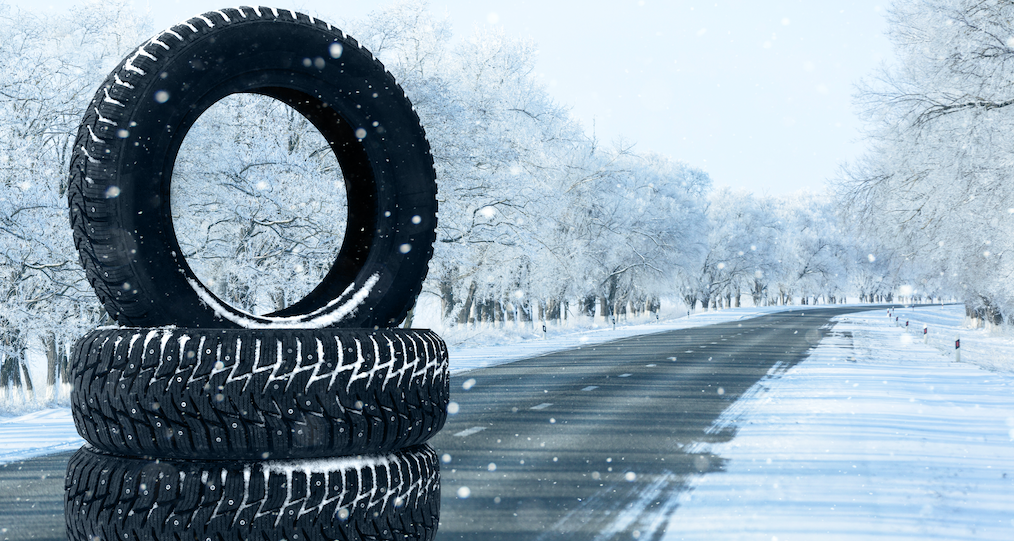
You wouldn’t go out in the cold without your winter jacket. Nor should you take your car onto icy or snowy roads without winter tires. Below is an overview of how winter tires work and why you should seriously consider having them installed.
How Winter Tires Work
Winter tires hold two distinct advantages over standard tires: different materials and different treads.
Materials
Tires are made largely of natural and synthetic rubber, but are supplemented with ingredients like oil, silica, and carbon black. Different tires use different blends of materials, and those particular blends affect the tire’s behavior in cold and warm temperatures.
Generally speaking, the rubber on a tire will become more hard and brittle when it’s cold and very soft when it’s warm. And each type of seasonal change brings its own risks to tires. Hard tires become more slippery and fail to grip the road as efficiently, while soft tires run the risk of a blowout.
Summer tires are built to better withstand the heat of summer, but become even firmer and more slippery in the cold. All-season tires are a nice compromise for year-round use in milder climates, but are no match for the extreme winter temperatures found in the north.
Winter tires, meanwhile, are blended with a mix of ingredients that limit how much the rubber hardens during cold temperatures and allows the rubber to remain flexible for optimal traction — even in extreme cold.
Treads
The tread patterns on a tire are designed to grip the road and channel away water. Standard all-season tires are equipped to handle your everyday rain shower, but do not contain treads that are adequate for significant snow and ice.
Winter tires typically include small blocks in the tread pattern that produce sharp edges to help the tire “bite” into snow and ice. The deeper grooves more efficiently channel away water and slush to keep the rubber in direct contact with the road and prevent hydroplaning. Winter tires also feature tiny slits or “sipes,” which open when they touch the ground to provide increased grip.
Why You Should Have Winter Tires Installed in Madison, WI
Put simply, a winter tire can mean the difference between getting into a dicey situation or not. One in every five accidents are attributed to weather conditions, and a winter tire provides the better stopping, handling, turning, and accelerating necessary to navigate dangerous winter roads.
The expert service team at Zimbrick Automotive in Madison, Wisconsin, can install a set of winter tires for you and have you on your way in no time. Be sure to check out any ongoing service specials at your nearest Zimbrick location, and start your winter off on the right foot. Or rather, the right tire.
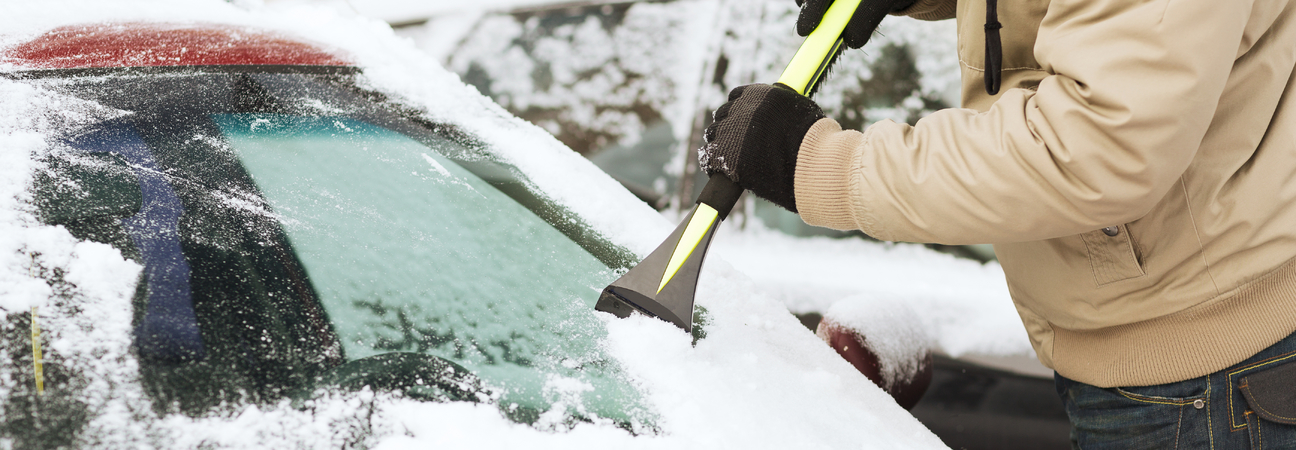
Don’t be caught off guard by the coming cold front. Continue reading to learn how to winterize your car.
How to Prep Your Car for Winter
Clean and Check External Lights
The days are only getting shorter, which means more of your driving will be in the dark. Check to ensure your headlights, brakelights, and turn indicators are all functioning properly. Deep clean the exterior lights so that you can maintain maximum visibility of the road ahead.
As temperatures continue to drop, snow and ice may soon be in the forecast. Salt from the roads will quickly build up on the headlights so make it a point to clean your lights regularly.
Check the Tires
When the air outside is cooler than the air within your tires, the air in the tires will compress, therefore lowering tire pressure.
Low tire pressure can cause more harm than you may realize. Improperly inflated tires are less effective in maintaining traction on the road, especially on slick or icy road conditions. They will also affect your ability to brake which is paramount when driving in the winter.
Be sure to check the tread and inflation of your tires. If you haven’t had your tires rotated or your wheels aligned in a while, now is the perfect time to do so. If you travel regularly where winter tires or snow chains are necessary, go ahead and make those preparations now.
Schedule a Routine Service Inspection
Some parts of your car — like the battery — are at higher risk of malfunctioning during the winter months. Others have equal risk of malfunctioning throughout the year but the results of which could leave you stranded in freezing temperatures on the side of the road.
Minimize this risk by scheduling routine service or inspection today. Choose a licensed technician you trust and request that all hoses, lines, and functions of your car are working as expected. Request to check the HVAC system as well so that you can stay warm and safely defrost your windows when ice or snow is in the forecast.
Winterize Your Car in Madison, WI
Make sure your car is ready for the cold months ahead by scheduling service at Zimbrick Automotive. Our technicians will quickly assess the health of your car and make any adjustments or repairs that are needed. Don’t forget to take advantage of our available service specials.
Fall Car Activities to Enjoy This Season
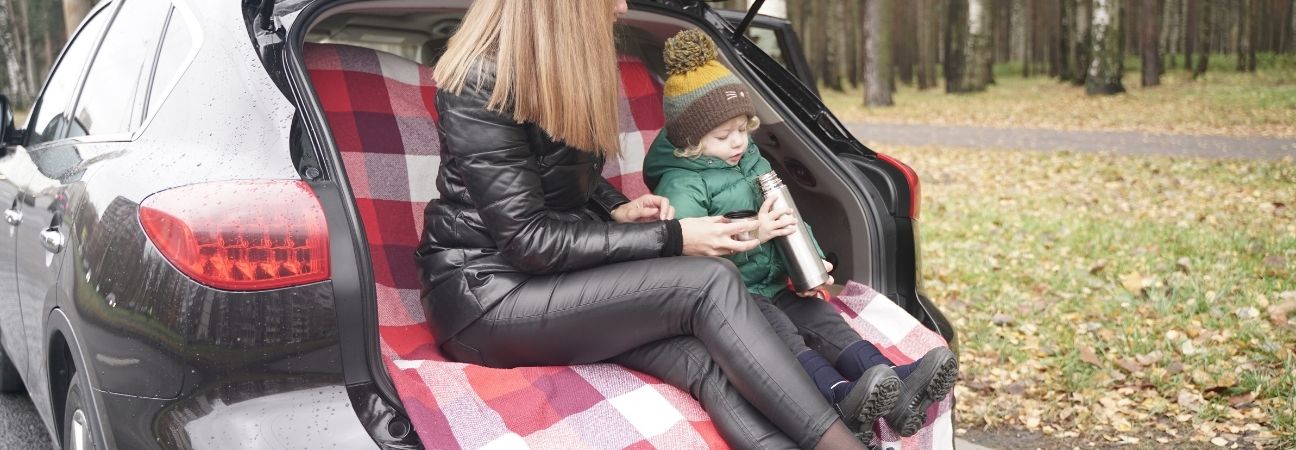
Fall is a beautiful time of year. Moderate temperatures are a welcome reprieve from the summer heat and the changing leaves bring to mind pumpkins and the approaching holidays.
As you make your fall plans, consider how your car can be a creative tool to get out and enjoy all this season has to offer. Continue reading to learn more.
Easy Car Activities to Try This Fall
Enjoy the Foliage
There are few things more mystifying than the bright golds, reds, and burgundies of the fall leaves. Scenery you may have grown accustomed to all summer long suddenly becomes a natural marvel.
Load up the kids and bring some closed containers of hot, apple cider to sip as you travel along some of your favorite, scenic roadways. If available, open your Panoramic sunroof to let the beauty of the leaves pass overhead. Drive as far as you desire, and don’t be afraid to stop from time to time to get out and explore.
Have an Autumn Picnic
Now that the unbearable heat of late summer has passed, now is the perfect time to enjoy the great outdoors. The days are getting shorter, so it’s important to enjoy the daylight while you can. What better way to do that than by turning lunch into a picnic at your favorite park?
Load up the trunk of your car with snacks, drinks, and maybe a soccer ball or frisbee for your kids. Bring some seasonal treats like pumpkin bread, fresh apples, or maybe a thermos of hot chocolate for the end of the afternoon.
Once you find the perfect place to enjoy your afternoon, get out and enjoy the crisp autumn air together. Pop the trunk or the back hatch so that everyone can easily access snacks as they need them. When it’s time to go home, everyone will feel like they’ve made the most of the day.
Find Your Next Car in Madison, WI
If it’s time to retire or upgrade your current ride, visit Zimbrick Auto Group. We carry an impressive variety of new cars for sale in Madison, WI. Check in from time to time to explore our available new car specials. Give us a call today or drop by our dealership to schedule a test drive.
4 Helpful Tips for Overcoming Fall Driving Hazards

Fall brings welcome relief from the heat and humidity of summer, but it also comes with a variety of potential driving hazards. You’ll want to keep them in mind to ensure a safe season on the road ahead. Continue reading to learn how you can overcome these common challenges.
How to Travel Safely This Fall
Keep a lookout for wildlife
As the weather cools down, some animals will start venturing out into the roads as well. Look out for crossings where you might encounter a deer. If you see one, try not to react too abruptly. Slow down and wait for it to get out of harm’s way. Striking a deer with your car will not only cause the animal injury, but it could also cause significant damage to your car as well.
Monitor tire traction
Between the damp falling leaves, frost-covered or icy roads, and afternoon rain showers, the fall season brings a plethora of ways to help your tires lose traction and hydroplane. Take proactive measures to ensure your tires are in top shape so your brakes will respond appropriately when you need them.
Check the tread and make sure your tires are properly inflated. Keep a tire pressure gauge on hand, and check your tire pressure often just to be sure.
Prepare for limited visibility
Don’t risk driving if there is frost on the windows in the morning. Plan to start the car a few minutes earlier to ensure your windshield and mirrors have enough time to defrost before you hit the road. Foggy mornings will severely limit visibility as well, so you’ll want to check your owners manual to ensure you know how and when to use your fog lights properly.
If fog isn’t an issue, prepare for a more intense glare from the sun than over the summer months. Clean your windshield often, and keep sunglasses on hand just in case you find yourself staring down the sun on your commute to work. It’s also a good idea to have an ice scraper at the ready for the season’s first frost.
Upgrade Your Ride in Madison, WI
If you’re looking for a car that will help keep you safe on the road this fall, head to Zimbrick Automotive. We have an impressive inventory of new cars for sale in Madison, Wisconsin. Don’t forget to check out our available new specials when you come. Contact us today to get started.
Happy National Electric Drive Week
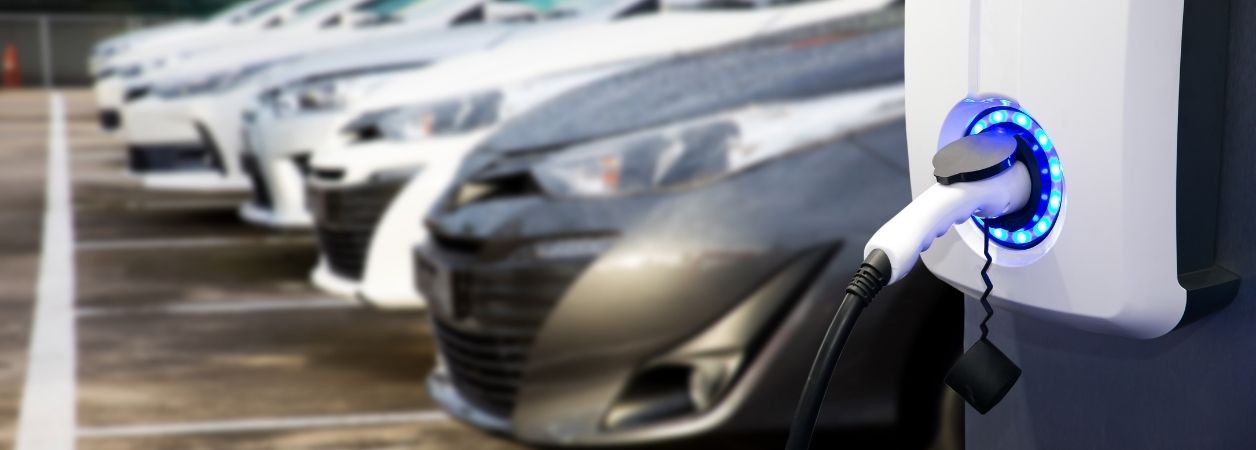
The electric car was once uncommon, a concept of the distant future that didn’t seem practical to everyday drivers. Fast forward a few decades, and the future is now. There are more electric vehicles on the market today than ever before, and what better time to consider them than National Drive Electric Week?
At Zimbrick, we want to observe this week by sharing a few of our affordable, functional, emissions-free options.
5 EVs to Have on Your Radar This Week and Beyond
Chevrolet Bolt
The Chevy Bolt has been around for a few years now, and the newest version is the best yet. The 2020 Bolt posts an estimated 259-mile range while still producing a more-than-respectable 200 horsepower. But the fuel economy isn’t the only smart thing about this sedan. The latest Bolt packs 56.6 cu. ft. of cargo space and makes a number of driver-assistance features available, including Forward Collision Alert and Front Pedestrian Braking.
Nissan LEAF
It’s all in the name with this sedan: The Nissan LEAF is about as eco-friendly as it gets. Fuel efficiency is a huge part of that equation, with the top trim of the 2020 model turning in an estimated 226-mile range. There are all sorts of other amenities to enjoy, too, including NissanConnect® with Navigation and Apple CarPlay® and Android Auto™ integration.
Audi e-tron
The Audi e-tron may be the first true Swiss army knife of EVs. With quattro® all-wheel drive, 402 max horsepower, and up to 4,000 lbs. of towing capability when properly equipped, this crossover can do it all. None of it comes at the expense of fuel economy, either, because the e-tron works with an estimated range of 222 miles.
Porsche Taycan
It’s difficult to live up to the kind of hype that surrounded the Taycan before its release date, but this all-electric sports car from Porsche has done so — and then some. Even the base trim of this luxury wonder churns out 522 horsepower, and it still manages an estimated 192-mile range while doing so.
Volkswagen ID4
The forthcoming Volkswagen ID4 is part of VW’s commitment to becoming carbon-neutral by 2050. This sleek, next-generation crossover EV promises all-wheel drive and Instant Torque. And did we mention the estimated 250-mile range?
The ID4 won’t be available at Zimbrick Volkswagen or Zimbrick Volkswagen of Madison until late this year or early in 2021, but that doesn’t mean you can’t reserve one now.
Celebrate Drive Electric Week in Madison, WI
National Electric Drive Week officially spans September 26 to October 4, but you can keep the celebration going every day of the year when you have an EV. For a full list of the electric cars we carry, check out our inventory of cars for sale in Madison, Wisconsin, or contact us to speak with a member of our team. We’re happy to discuss all your alternative fuel options.
Fall is the perfect time to give your vehicle a little attention. It’s recovering from the damaging summer heat while preparing to take on the harsh winter cold. So it’s appropriate that October is National Fall Car Care Month.
Below are a few ways to observe the occasion and show your vehicle how much you care.
How to Care for Your Car This Fall
Give It a Good Wash and Wax
Summer driving introduces bugs to your grille, mud to the undercarriage and pollen all over. Give your car a thorough wash and top it off with a fresh coat of wax to prepare for winter precipitation.
Check Your Tire Pressure
The air pressure in your tires increases in the summer as the heat causes the rubber to contract. Over-inflated tires can cause premature wear or even an unecessary flat. And over-inflation can make braking more difficult, which is something that becomes all the more critical in winter months.
Top Off Your Fluids
You run the air conditioner a lot during the summer, which drains the coolant from your radiator. But in the winter, you’ll need that fluid to act as an antifreeze and prevent engine parts from locking up. So it’s important to top it off in the fall to make sure your vehicle is properly equipped to take on the cold and keep you warm.
Replace Your Wiper Blades
Spring and summer rains require your windshield wipers to work overtime. By winter, they may not be sharp enough to efficiently cut through snow, ice and sleet. So it’s a good idea to install a fresh set of blades each fall.
Check and Prepare Your Battery
Cars can have a harder time starting in colder temperatures, so it’s wise to test the life of your battery in the fall (and replace if necessary) and give the terminals a nice cleaning.
Winterize Your Car at Zimbrick in Madison
Observe Fall Car Care Month by bringing your vehicle into Zimbrick Automotive in Madison, WI, for our winterizing treatment. Our service team will perform a number of maintenance tasks on your car to get it prepped for the upcoming winter and show it the attention it deserves. Plus, you can check out our current service specials to see how else you can practice proper car care anytime of the year.
Fall is a great time for a drive, so make your way to Zimbrick Automotive to wish your vehicle a happy Fall Car Care Month.
Connect with us
