

Busting Common Automotive Myths: An Infographic

Car myths are a dime a dozen. You’ve heard them from your parents, your friends, and maybe even — but hopefully not — your old driving instructor. Some are obviously ridiculous. Others, not so much. So what about the ones that sound plausible?
At Zimbrick, we know a thing or two about cars, so we’re here to set the record straight.
Below, you’ll find an infographic of five very common myths associated with your car. Knowing the difference between fact and fiction will go a long way toward ensuring a safer, more enjoyable ride for you and your passengers for miles to come. Do you have a question about something that isn’t answered below? Contact us at one of our 16 convenient dealerships in the Madison, Wisconsin, area. Our friendly, knowledgeable staff is on standby.


Taking a test drive is one of the most integral steps to buying a car. But many consumers don’t know what it is they should actually be testing for when they get behind the wheel of a car they are considering buying.
Follow these steps to take a great test drive that is sure to make your purchasing decision a whole lot easier.
Test before you drive
Your test drive begins before you actually put the car in drive. Get in and out of the car several times repeatedly, fully opening and closing the door and fastening your seatbelt each time. Locate the position of the turn signal and radio dials to test the ergonomics and check all your mirrors and blind spots to see how the car fits your eye.
Know your needs
Your test drive should match your everyday driving style. If your morning commute consists of bumper-to-bumper traffic with a lot of braking, test out the stop-and-go performance of the car. If your commute is on a winding backroad, pay special attention to the handling and cornering.
Test the specs
A test drive is also an opportunity to consider the activities you participate in and how the car suits those needs. Need a lot of trunk space for sporting equipment? Towing capabilities for a boat or camper? Make sure the car is well-equipped for these needs.
Control the climate
If you live in a particularly hot or cold climate, it’s important to test out the heater or air conditioner. Some cars warm up and cool down better and quicker than others and the performance and efficiency of some cars is affected more by these systems.
Push the limits
Find an empty parking lot where it’s safe to do so and test the hard braking and hard steering of the car. It’s important to know how the vehicle can perform in an emergency situation.
Test Driving a Used Car
If you’re test driving a used car, there’s a whole checklist of things you should inspect. Following these steps will help increase your chances of getting a great value on a used car.
Test Drive at Zimbrick
Now that you know how to make the most of your test drive, the final step is to visit one of our Zimbrick locations in Wisconsin and get behind the wheel. We have over 3,000 vehicles in both new and used condition to choose from. Come see us for a test drive today.

Nothing says luxury quite like leather seats, but if you are the owner of a car that has leather seats, you likely know that keeping them in shape can be difficult. Over time, leather can become worn, or begin to lose its color. There are some ways to avoid this, and we thought it would look at a few of the ways that you can care for your car’s leather or leatherette seats.
Now that spring is here and summer is coming up quickly, there is no better time than now to get your leather seats cleaned in time for the warmer weather.
Before you begin, you should always consult your owner’s manual, as you will likely find suggestions about how to care for the seats in your car there. You may want to avoid certain cleaning products, or there may be certain steps that you should take, but the only way of knowing for sure is to check the owner’s manual.
This is especially true if you have any perforated areas or parts of the leather that have holes. These help the seats to breathe, and if too much water or a cleaning agent ends up on the seat, it could leak through and ruin the seat cushion. Rather than spraying directly onto the seats, it may be best to spray the scrub brush that you use and then to use the brush on the seat. This will keep there from being a lot of liquid.
If you head to your local hardware or auto parts store, you’ll find that they have various brands of leather cleaner, but if you are looking to clean the seats on a budget, you can make your own by combining one part white vinegar and two parts linseed oil. Mix them in a bowl or a spray bottle and wipe down the seats with the mixture. You’ll find that it not only helps to clean the seats, but helps to give them a great shine.
To make sure that the work that you put into cleaning the seats lasts a while, you should use a high-quality leather conditioner. Find one that does not contain petroleum distillates, silicone or any waxes, all of which can leave a greasy finish on your leather seats. A good conditioner will help to seal the leather and to keep it looking nice, new and shiny for a few good months. Be sure not to over-condition the seats.
For more information similar to this, we highly encourage you to check out the rest of the Zimbrick blog, where you will find plenty of information about how to maintain just about every aspect of your car.
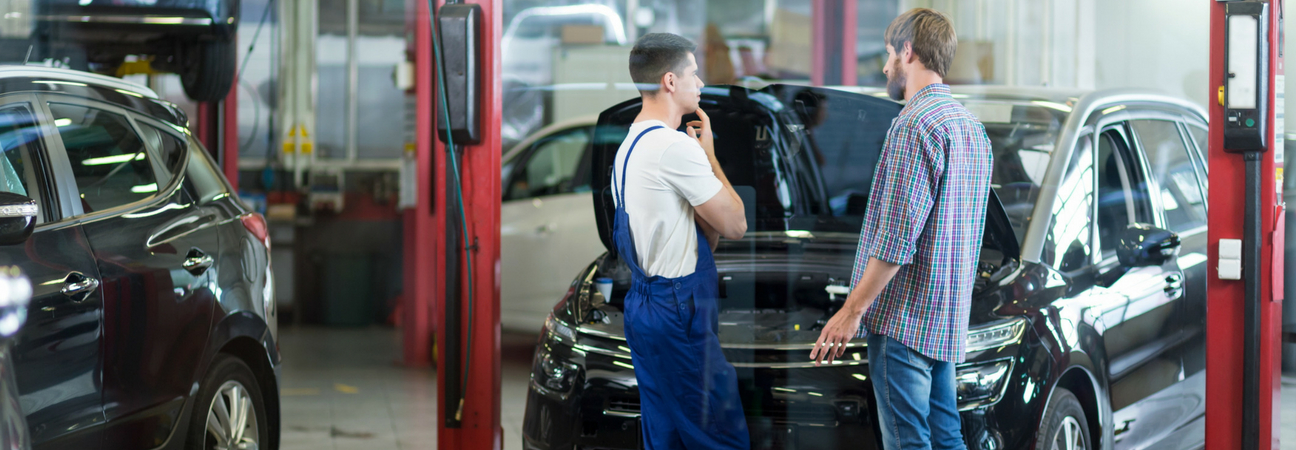
These days, most franchise dealerships offer a service department, but there is a common myth that you can only take advantage of the shop if you bought your vehicle from that dealership. We are happy to tell you that it doesn’t matter where you bought the vehicle from. Even if you bought your vehicle from a dealership’s biggest competitor, you can utilize their service center.
Here at Zimbrick, we have a wide variety of service centers, and we encourage you to visit any one of them. The only recommendation that we have is that you visit one that works with the brand of vehicle that you own. For example, if you’re a Honda owner, we highly recommend that you visit our Honda location or our Honda-specific service center. You could bring it to any of our service centers, but every brand-specific location has technicians trained to deal with that brand.
Benefits of Servicing Your Car at a Dealership
There are quite a few benefits that can come from servicing your vehicle at a dealership, rather than a locally-owned automotive repair shop, and we just hinted to one of them. Dealerships employ technicians who are specifically trained to deal with the primary brand of the location, and they possess all of the necessary certifications. It means that every technician possesses the same base knowledge, so it doesn’t matter which one you have working on your vehicle. Each is capable of diagnosing and repairing all issues up to the standards of the manufacturer.
Another one of the benefits of servicing your car at a dealership is that they only use genuine, licensed parts that are approved for use by the manufacturer. Essentially what this means is that you are not just getting the cheapest available part. If you bring your vehicle to a service center of the same brand, there is a good chance that any parts that need replacement will be replaced with that exact same brand of part, helping your vehicle to run the way that it was engineered to.
Benefits of Serving Your Car at a Zimbrick Location
At Zimbrick, we like to step things up a notch. In addition to having certified technicians and using only manufacturer-approved parts, we like to make it as easy as possible for you to get the service that you need. On all of our dealership websites, we make it possible for you to make an appointment online. It saves you the hassle of having to call, or to drop off your car with no idea of when it will be worked on. You get to choose the time that you want to come in.
If you are interested in taking advantage of all that our dealership service centers have to offer, we encourage you to check out our service page, where you can see our more than 20 locations and make your appointment. As always, if you have questions for us, don’t hesitate to reach out to us. We would be more than happy to help in any way that we can.
Safety 101: 5 Great Tips for Back to School Drivers

Back to school means busier streets in the Madison, Wisconsin, area. And while the morning commute can be daunting for anybody, it’s a steep learning curve for first-time drivers.
At Zimbrick Automotive Group, we don’t just offer a variety of affordable new and used vehicles for first-time drivers — we care about the well-being of the drivers themselves. The start of the academic year is an important time for both parents and students in our community, so we want to make sure that everyone gets to and from school as safely as possible.
Here are five tips to study before the first bell rings.
Do Your Homework: Useful Advice for Safer School Driving
Share the road with school buses
It’s the law. When a school bus is idle with its stop sign raised and red brake lights flashing, it’s a good indicator that students are getting on or off. Cars must stop from every direction until all kids have safely crossed the street. If you don’t, you’ll be subject to much heavier consequences than detention.
Carpool when possible
It might be an old school practice, but carpooling certainly has its benefits. While saving gas often comes to mind first, sharing a ride has perhaps an even greater effect on safety. By reducing the number of vehicles at a school, carpooling cuts down on congestion and the potential for accidents. That earns an A in our book.
Be respectful of school zones
Whether it’s from trying to make homeroom or an after school practice, more kids cross the street during the academic year. That’s why the speed limit for school zones in Madison is 20 mph, regardless of the day of the week or time of day. Aside from obeying the speed limit, remaining aware of your surroundings is essential to the safety of classmates.
Be mindful of drop off zones
For first-time drivers, the freedom of driving to school is exciting. But that doesn’t mean others aren’t being dropped off. Making legal U-turns and watching out for those crossing the street earn high marks. But double parking and pulling over into spaces reserved for buses or emergency vehicles are maneuvers that flunk.
Always wear a seat belt
The numbers don’t lie: seat belts save thousands of lives each year. That’s why it’s vital to make sure that all drivers and passengers buckle up before leaving for school. And because wearing a seat belt is required, wearing yours will help you stay focused on breaking open the books — not the law.
Score Big with a Great First Car from Zimbrick Automotive Group
Looking for a car for your first-time driver? At any of our locations, you’ll find a wide range of vehicles that are as ready for the back to school season as your bookworm. Contact us to learn more today.
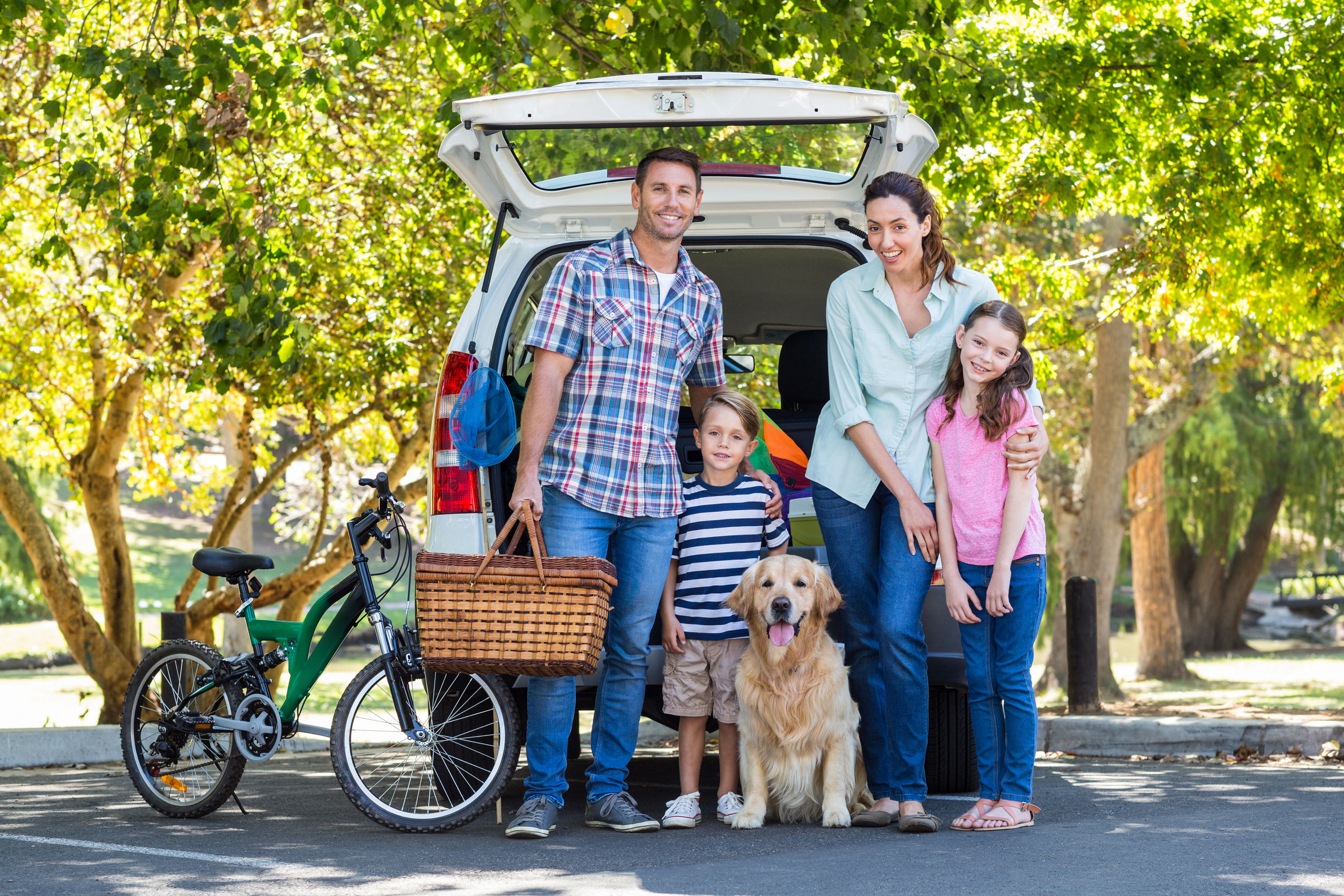
There’s nothing quite like a road trip. Whether it’s from school or work, everyone deserves to get away from the daily grind every once in awhile. And what better way to do that than an adventure on the open road?
Road trips are full of excitement, so spontaneity is the nature of the game. But that doesn’t mean that you don’t want to be prepared. Aside from knowing that your vehicle is up for the journey, you’ll want to be certain that you have everything you need to make the most of your trip.
The road is calling your name. Will you answer it?
Go through our checklist to see for yourself.
Create a Road Trip You’ll Never Forget with this Checklist
Itinerary
You’ll want at least a very basic itinerary to map how your trip should play out. Monuments, overlooks, parks, friend’s houses, and favorite family restaurants are all fair game. Planning your stops ahead of time will leave you with more time to enjoy the scenery. But if you’re more of a spur-of-the-moment kind of person, going with the flow is alright, too.
Gear and clothing
It’s not too late to squeeze in one last beach trip. You’ll need all the essentials: swimsuits, sunglasses, sunscreen, towels, and chairs. But don’t forget that fall and winter are right around the corner. Coats, sweaters, scarves, and hiking gear are good things to have for mountain excursions or weekend getaways once the leaves have changed color.
Food and drinks
Road-tripping can work up an appetite, so you’ll have to stay stocked up. Snacks and bottles of water are great for quick pick-me-ups. And if you want to pull over for lunch or a picnic, it’s not a bad idea to bring a cooler or basket. After all, your car isn’t the only thing that needs fuel.
Music and games
You love each other’s company, but let’s be honest: switching up your entertainment on the road is a must. The right soundtrack can make or break any road trip, so you’ll want to have plenty of good tunes on hand. The last thing you want is for the ride to be boring. Board games, cards, and digital game apps can go a long way on the long drive.
First-aid kit
You can’t always predict how things are going to go. That’s why it’s a safe bet to pack a very basic first-aid kit at the least. Road trips are not immune to bumps, scratches, and ailments, but you don’t have to let them slow you down.
Tech accessories
The modern road trip calls for modern gadgets. Unless you’ve made the journey many times, you’ll likely need navigation — whether it’s a phone app or one of your vehicle’s display features. And because you don’t want to miss a moment, a camera will make your breaks and stopovers unforgettable.
Share Your Remarkable Road Trip with Zimbrick
Now it’s time for the fun part. We hope you’ll bring Zimbrick along for the ride. Make sure to follow us on Facebook and keep us updated on all your adventures. We’re ready! Are you?
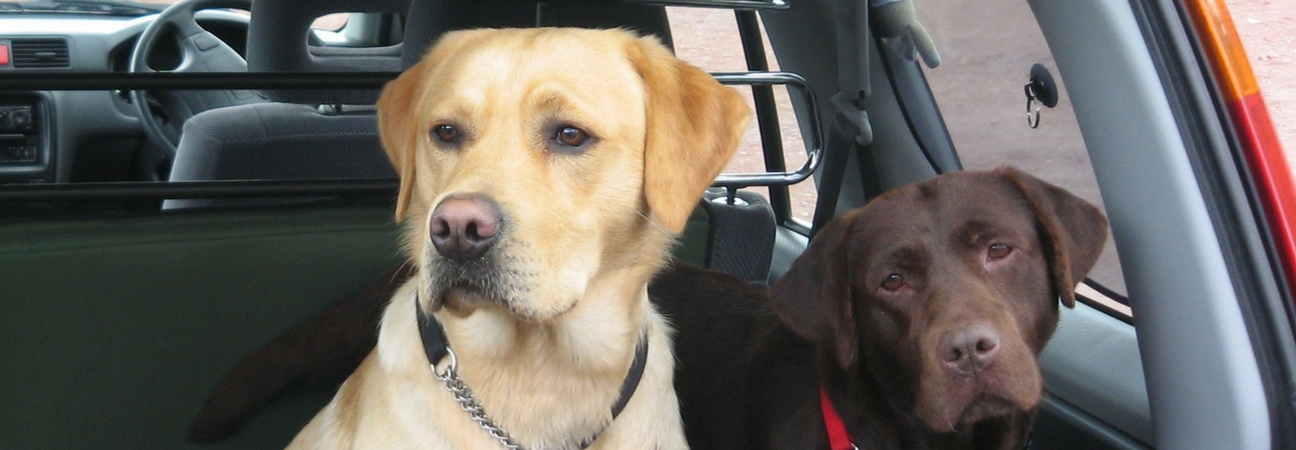
Your car is important to you, but your pets are irreplaceable. Like any responsible pet owner, you want to make sure that you’re protecting them at all times. Making sure they’re comfortable and secure in the car is a great place to start.
Unlike you, car rides are not your pet’s best friend — but they are unavoidable. You have vacations, trips to the park, and visits to the vet still in the making. That’s why Zimbrick is here to give you some advice for peace of mind. Read it below.
5 Tips for Driving with Your Pet in the Car
Get your pet acclimated
“The more time, the better” isn’t necessarily the best mindset for getting your pet used to the car. Rushing into lengthy rides can give your critter anxiety. Work your way up gradually with short trips to build their confidence. Some pets will never become fans of the car, but giving them positive experiences will make commutes less stressful.
Pack a travel kit
For extended drives, your pets require just as many if not more supplies than you do. Bring their favorite toy along for the ride to give them a sense of home. Stock up on plenty of food, water, and essential items like bowls, leashes, medications, and waste care products. You’ll want to be prepared for anything.
Exercise caution when driving with your pet up front
It’s tempting to let your cuddly pal ride in your lap, or at least the passenger seat. It can also be extremely dangerous. Deployed airbags can seriously harm your pet, especially if they’re on the smaller side.
You also want to avoid letting your pet to hold its head out the window or ride in the bed of a pickup truck.
Properly secure your pet
A well-ventilated carrier or crate is always the best way to go, depending on the size of your pet. For your smaller furry friends, a traveler cage should suffice. The most important thing is that your pet has plenty of room to stand, turn around, and lie down.
If you opt out of the crate route, make sure your pet is fastened into the back seat with a harness.
Never leave your animal unattended in a parked car
A car can become a boiler or ice box in a matter of minutes, depending on the weather outside. If it’s hot out, your pet could succumb to heat stroke — even with the windows cracked. If temperatures are on the colder side, they could develop hypothermia.
Bringing your pet with you when you exit the vehicle is the only acceptable solution, no matter how inconvenient it may seem at the time.
Keep Safety First in Madison, WI
At Zimbrick, we understand that your fuzzy companion isn’t just another possession — it’s a part of your family. That’s why we provide plenty of safe and cozy options for you and your pet at our Madison car dealerships. Browse our inventory of used cars for sale or contact us for more details.

We’ve all been there: You’re driving to work in the morning, and you hit a literal bump in the road. There’s a good chance it was a pothole. Spring is an especially problematic time for potholes, thanks to the hangover from the treacherous weather of winter and the wear and tear from rock salt and snow plows.
We all know that potholes are jolting and annoying. But can they cause significant harm to your car? On average, potholes result in about $3 billion in annual damages. Keep reading to find out how.
5 Parts of Your Car That Potholes Can Throw Off
Alignment
If your steering wheel is out of whack or your car pulls toward one direction after a brush-up with a pothole, you’ve probably thrown off your alignment. Until you get it fixed, you’ll experience poor handling and uneven wear on your tires. Chances are you’ve sped through a pothole before and come out unscathed. But why risk it?
Tires
Your tires are the most likely part to take a direct hit from a pothole. The damage can range from bulging and tread deterioration to a blowout — especially if the pressure in your tire was low to begin with. Driving in any of these circumstances can be unsafe for you and your passengers.
Wheels
You might think your car is okay after you encounter a snag in the road, but the proof is in the details. Potholes can cause chips or hairline cracks in your wheels. While these may not affect your driving at first, they can gradually grow into a much bigger problem.
In more severe cases, potholes can bend your wheels, which creates particularly dangerous driving conditions.
Exhaust Pipes
Deeper potholes are dangerous in more ways than one. Some are deep enough to puncture or rupture your exhaust pipes or muffler. Damaged exhaust parts aren’t good for anyone, and can lead to a variety of problems — from loss of power to inefficient emissions.
Body
If you drive something with higher ground clearance, your vehicle’s body will likely be unaffected by hitting a pothole. But it’s a different story if you drive a low-sitting car like a sports coupe.
Potholes can wreak havoc on your undercarriage or low-hanging bumpers. Most of the damage is cosmetic but should be taken seriously if you care about your car’s appearance.
Fix Your Pothole Problem in Madison, WI
Let’s be real: Potholes aren’t going away any time soon. The best way to avoid them is to exercise safe and responsible driving. But if your car has been damaged by a pothole, Zimbrick can help. Schedule an appointment at one of our convenient locations in Madison, Wisconsin, or contact us to see how we can assist you.

Everybody makes mistakes. That’s something that we understand here at Zimbrick, which is why we offer both new and used car loans for people who have credit that isn’t in the best standing. There are a lot of businesses—car dealerships included—that see a number rather than a name, and who will only work with people with a certain credit score. That’s not how we work.
Rather than turning people with bad credit away, we work with them to develop payments that are beneficial for both parties. If you have been shut down everywhere else and are out of places to turn, you’re at the right place. We want you to help you get the car of your dreams.
How the Zimbrick Finance Process Works
Here’s a little secret about the car business. Most dealerships are paired with a single bank or credit union. As the partnership comes with a promise not to take loans to any other banks, the dealership tends to benefit financially. Here at Zimbrick, we don’t have any deals with one single bank, which means that the benefits are all for you to reap. Rather than having one option, we are able to shop around and find the rate that is best for your particular financial situation.
There are always perks to having good credit, as banks are always more willing to offer lower interest rates and more appealing deals, but we have plenty of banks and credit unions that we work with who are willing to give that second chance to those who have lower credit scores.
A lot of our customers with bad credit come in with a loan that they received from their bank, as they are skeptical about financing with a dealership, but once we run the numbers, most find that the competitive rates that we offer are actually lower than what they got at their bank.
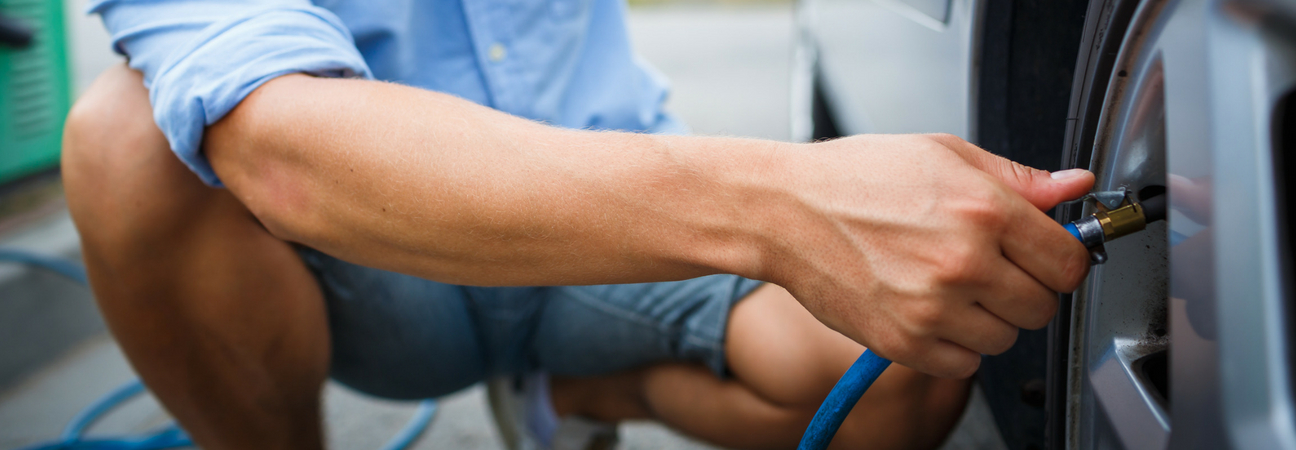
In the past, it was necessary to keep a tire gauge handy, so that you could periodically check the pressure of your tires. Thanks to advances in technology, however, checking the pressure and keeping the tires filled to the proper pressure is now easier than ever before. Your vehicle can tell you when the tires need air, but that doesn’t mean that you should always rely on that technology. To give you a better idea of how often you should be checking and filling your car tires, let’s dive a bit deeper into tire air pressure.
The air pressure in your tires can change drastically depending on the temperature outside. They see the most fluctuation in winter, as the cold temperatures can cause the pressure to drop by as much as five pounds-per-square-inch (PSI). Considering that most tires recommend a PSI between 30 and 40, losing as much as five PSI can be pretty drastic, and if the pressure is not corrected, it can lead to some major issues.
As the seasons have such an effect on the pressure of your tires, how often you’re checking the pressure ultimately depends on the season. For that reason, let’s break things down into both winter and summer.
Tire Pressure: Your Questions Answered
How Often Should You Check Tire Pressure in Winter?
Given that tire pressure fluctuates so often in the winter, you should be checking the pressure of your tires at least once a month. If your car is equipped with a Tire Pressure Monitoring System (TPMS), you can rest easy, as the warning light will turn on if one or more of the tires ever drop below the pressure that they should be at. Still, it’s important to check at least once a month, as the tires could be at an acceptable pressure, but one that is just slightly above the recommendation. It’s definitely best to check.
How Often Should You Check Tire Pressure in Summer?
The summer heat can cause the air in your tires to expand, but it does not have as much of an impact as the cold temperatures of winter. Still, the recommendation for checking tire pressure is still once a month. A good rule of thumb to remember is that your tires lose about one PSI every month after you fill them, so checking every month can help you to ensure that they are always inflated to the proper pressure. You won’t see quite as many tire pressure warning lights in summer, but you should still be checking often.
Where to Check and Fill Your Tires in Madison WI
Here at Zimbrick, we have several service centers in the Madison, Middleton and Sun Prairie areas, and if you have been looking for a place to check your tire pressure, and to have your tires filled, you can do so at any one of our locations. Even better is that you don’t ever need an appointment for the service. Just swing by any one of our service centers or body shops and let the team know what you’re looking for. They can get the pressure of each tire and top them off if at all necessary. We hope to see you in soon.
Connect with us
