

How to Know When It’s Time for Car Brake Service
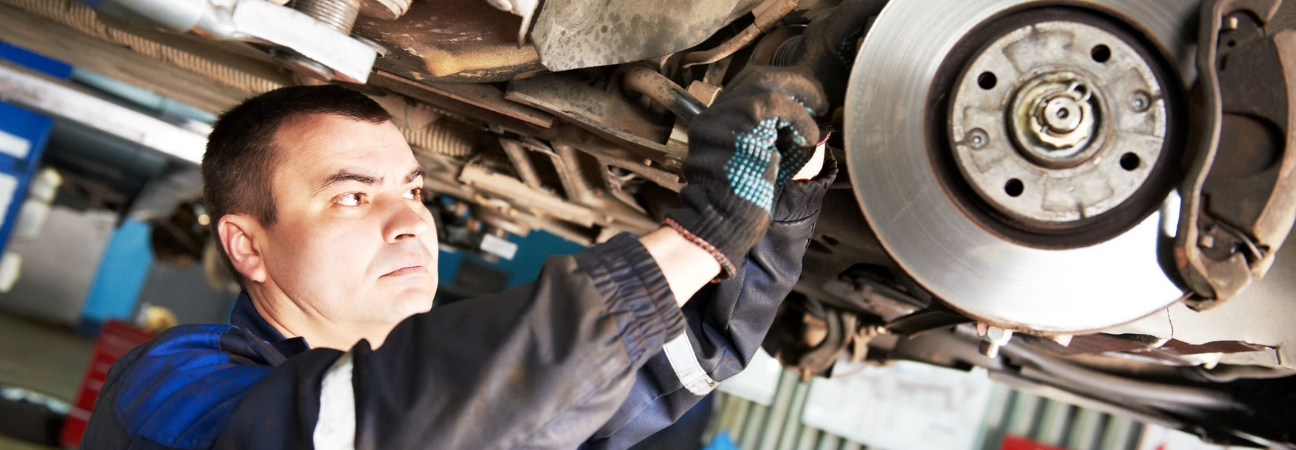
Driving isn’t all about fun road trips with friends. It’s about getting to your destination safely and efficiently. So what happens when your car’s brakes begin to wear? In this explainer, we’ll see how you can keep an eye out for potential problems and help you make an informed decision should you need repairs.
Understanding the Basics of Brake Service
While most people understand that the more you use your brakes, the quicker they will wear, it shouldn’t go overlooked. Those who spend most of their time driving in rural areas can drive substantially farther without needing brake repairs than their urban counterparts.
Although new brakes may claim to last for a certain amount of time or mileage, it’s important to pay attention to your car. There is no definitive schedule when it comes to brake repair, so you have to use your ears and keep an eye out for changes.
Warning Signs
Many of today’s vehicles offer built-in wear sensors that are designed to scrape up against the brake disc when repairs are needed, and some even feature electronic wear indicators, providing a warning icon on your dashboard. It is, however, wise to have a backup plan and know the warning signs.
Worn out brakes often leave your car making a squeaking or squealing sound. Sometimes you may even hear the grinding sound of metal on metal, in which case, you should take it in for repairs right away.
Another sign of worn brakes is the pulsating of brake pads when you attempt light or moderate braking. While pulsating is common under heavy braking, if you feel anything abnormal underfoot during general slowing and stopping, there’s a good chance something is wrong.
Should you feel the steering wheel begin to tug or pull in one direction as you try to brake, faulty brakes are a potential culprit.
Other things to keep in mind when trying to decide if you should bring your vehicle in for brake service are longer stopping distances and needing to push your foot down farther in order to engage the brakes.
Get Brake Service in Madison, WI
If any of these symptoms sound familiar to you, it’s time to bring your vehicle in for car brake service. Looking for quality auto service in Madison, WI? Visit the expert technicians at Zimbrick Group, or schedule service online.
Should You Buy a Used or New Car?

You’re ready for a fresh set of wheels, but should you buy a used or new car? It’s a question faced by consumers every day. And it’s also a question with no clear-cut answer.
A new car is the right choice for some people, while used cars are the way to go for others. Let’s break down the decision in detail to help you find the best vehicle for your needs.
Buying a New Car
There are certainly some advantages that come with buying a new car. Decide how important the following features are to you.
The latest technology
Be it safety, performance, or infotainment, a new car has the newest technology.
Warranty coverage
New cars typically have warranties of three to five years for most parts, temporarily alleviating new car owners from major expenses.
Options
When buying a new car, you’ll often have options for color schemes, accessories, trim levels and more.
Trust
A new car can usually be trusted to get you where you need to go without the worry of a sudden breakdown.
Buying a Used Car
Just as there are advantages to buying a new car, buying a used car comes with some benefits of its own.
Affordability
Used cars can be very affordable, with the original owner having absorbed the bulk of the depreciation. Financing may be easier to secure, and it’s often possible to buy a used car with just one cash payment.
Lower insurance costs
It usually costs less to insure a used car because the value of the vehicle is not as high as a newer one.
Proven reputations
Because used cars have already been on the road for a while, each model has had an opportunity to prove itself. If you’re looking for a vehicle with a reputation for reliability, you’ll know where to look.
Certified pre-owned
Certified pre-owned programs have taken a lot of the risk out of used cars. These vehicles have passed detailed inspections to ensure a certain level of quality.
New or Used, Shop at Zimbrick
Whether you’re looking to buy a new or used car, you can do it all at Zimbrick Automotive in Madison, Wisconsin. Browse our selection of each type of vehicle, speak to our team about your various financing options, and drive away in the car that meets your needs and your budget.
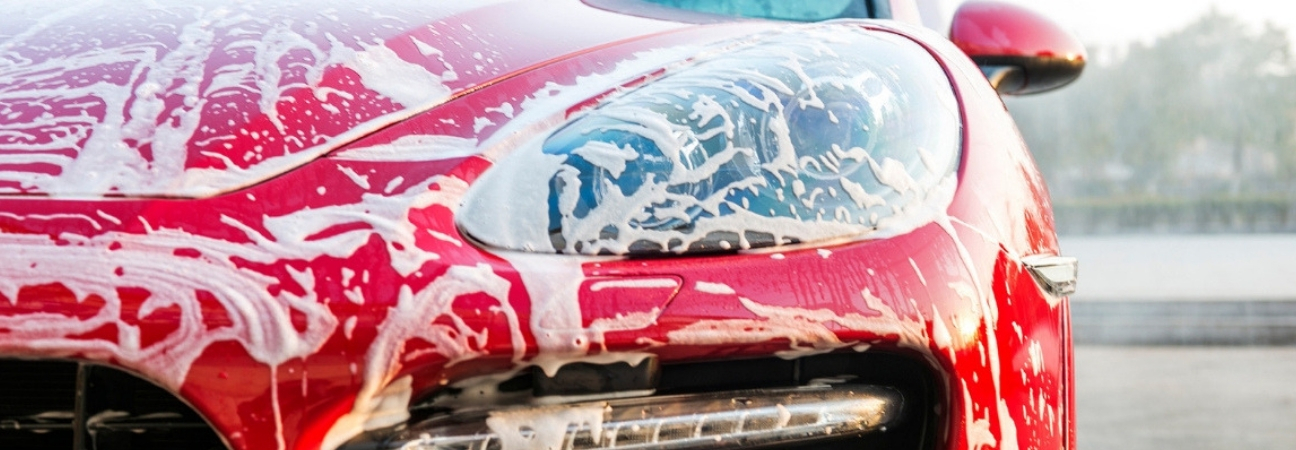
You care about the investment you made in your car, and you want its appearance to reflect that. Washing a car seems like a pretty mundane task, but when not done correctly, it can actually do more harm than good. Many variables are easy to overlook, so let’s go over some of the dos and don’ts of car washing.
Car Washing Dos
Do: Wash your car on a regular basis. At least once per month — or once per week for the real enthusiasts — should do the trick.
Do: Wash your car when it is cool. Better yet, wash it under the shade of a tree or in a covered space.
Do: Thoroughly rinse your car before using a sponge in order to remove any debris that can cause a scratch. Then start at the top and move your sponge straight down.
Do: Thoroughly rinse your car before using a sponge in order to remove any debris that can cause a scratch. Then start at the top and move your sponge straight down.
Do: Choose a product that is specifically designed to clean vehicles.
Do: Use a soft towel to blot — not wipe — the surface dry.
Car Washing Don’ts
Don’t: Go extended periods of time without washing your car, no matter how clean it might appear to be. Allowing layers of dead bugs, pollen, bird droppings, and other substances to build up can eventually cause damage to the paint and body.
Don’t: Wash your car when it’s hot to the touch, either because you just had it running or because it was out in the sun for an extended period of time. Heat speeds up the drying of soap and water, which increases the chance you’ll be left with soap spots and streaks.
Don’t: Move the sponge around in a circular fashion. Doing so can make light scratches in the paint.
Don’t: Use household cleaning products. The bottle of “all-purpose” cleaner that you keep under the sink does not include cars.
Don’t: Dry the car by driving it. It seems logical that driving the car will help it air dry. But this can leave your vehicle with streak marks made by the passing air.
Visit Zimbrick for All Your Other Car Needs
Now you can handle the job of washing your car yourself. But for everything else, you may need to call on the professionals. Zimbrick is more than a car dealership in Madison, Wisconsin. We also have a dedicated service team ready to perform any necessary maintenance on your vehicle. Contact us today, and together we’ll keep your car shiny and working.
Why You Need Car Battery Service
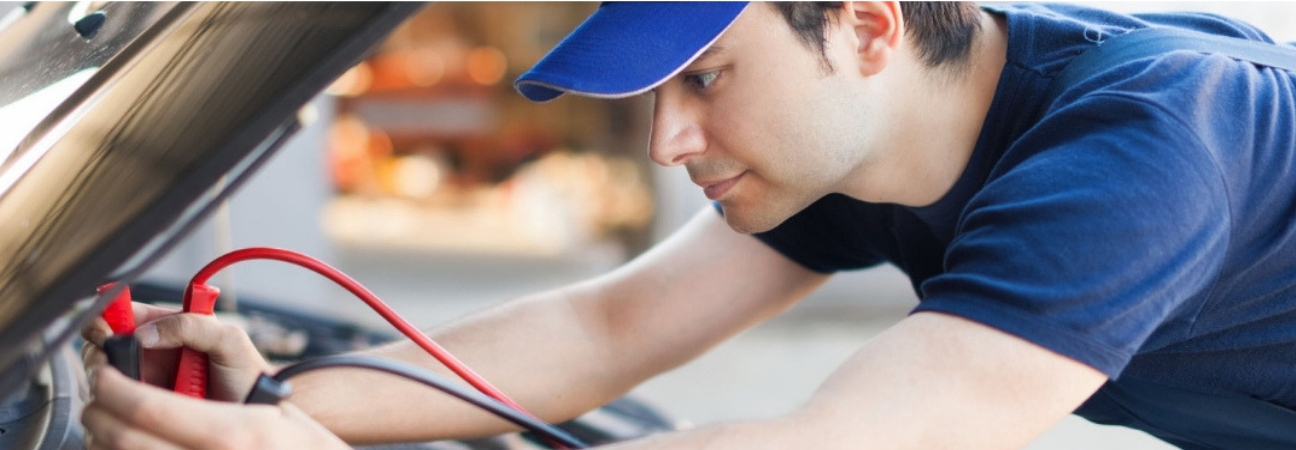
The last thing you want derailing fun plans is for your car to break down. We’ve all been there. Fortunately, if you keep up with regular maintenance, you can avoid costly repairs. Making sure your battery is up and running as it should be is paramount to keeping your vehicle on the road.
Let’s take a look at some of the warning signs that you need battery service.
3 Reasons to Get Your Car Battery Checked
Trouble Starting
The most basic way to know that your battery isn’t functioning properly is that your vehicle is struggling to start. Whether your engine is cranking hard and barely turning the vehicle on or not cranking at all, if you noticed your vehicle is having trouble starting, the battery is probably to blame.
If the car turns on, but struggles to do so, you need to bring the battery in to get tested. If the vehicle’s lights don’t even turn on and no cranking can be heard, the battery is already dead and you’ll need to replace it altogether.
Abnormal Activity
If your vehicle seems to start fine one day, but barely starts the next, your battery is most likely the culprit. You can take a look under the hood or have a technician inspect the cables to make sure they’re firmly in place. Loose or frayed cables will cause erratic start-up behavior.
Another potential problem is that your automobile seems fine when you drive it consistently, but won’t start after a day off. This may be the result of a parasitic draw, which involves another component draining excess battery.
Consistent Issues
Sometimes a battery just needs a jump to get going. Using jumper cables or a standalone jump can help you get on the road in a pinch, but if you find yourself relying on jumps to get moving, you’ve got a problem on your hands. Aside from the annoyance of the process, consistently jumping just delays the inevitable. You need to take your car in and get a new battery.
Get Battery Maintenance at a Zimbrick Service Center
Whether you need to test your current battery or buy a new one, stop by Zimbrick Group for car service in Madison, WI. Schedule service today and see how our dedicated and knowledgeable team can get you back on the road.
How to Choose Between Leasing and Financing
When you’re ready to look for a new car, truck, or SUV, there’s a lot to consider. Fortunately, today’s market offers plenty of choices to suit those with a wide array of tastes and budgets. So, once you’ve picked out the vehicle you want, you now have to consider how to pay for it. Should you lease or finance?
Let’s explore each.
Should You Lease or Finance?
A Look at Leasing
Leasing a car provides some very immediate benefits that are hard to ignore. First, leasing requires little to no money upfront. This is great for those who simply don’t have a lot of money for a large down payment. Second, because lease terms are usually two or three years, your monthly payments will be noticeably lower than if you were to buy the vehicle.
Aside from the obvious financial benefits, leasing a vehicle offers a few hidden money-saving factors. When leasing, more often than not, you’re getting a new vehicle, and you’re only keeping it for three years. That means you’ll most likely avoid the need for any major repairs. Should any repairs arise, some parts may still be under warranty. Some lease options even cover regular maintenance at no cost to you.
Lastly, because leasing can save you money from month to month, you may find you can afford a more-enticing model.
The Power of Financing
Financing a vehicle requires putting money down upfront and making payments until your loan is fully paid off. Fortunately, once your loan amount is paid off, you no longer have any monthly payments. If you continue to bring it in for regular maintenance, you could get plenty of payment-free years out of your car, SUV, or truck — something that won’t happen if you lease.
Another positive of financing that can’t be overlooked is that you don’t have to adhere to strict stipulations like mileage limitations that can come with leasing plans. When an exciting trip is on the horizon, you won’t need to calculate whether or not the terms of your lease agreement will allow it.
Find Your Dream Car With Zimbrick Group
Whether you’re looking to lease or finance, find a Zimbrick dealership nearby and let our team of financial experts help create a plan that suits your budget. Check out our inventory for cars for sale in Madison, Wisconsin, or come in for a test drive.
How Often Does Your Car Need an Oil Change?
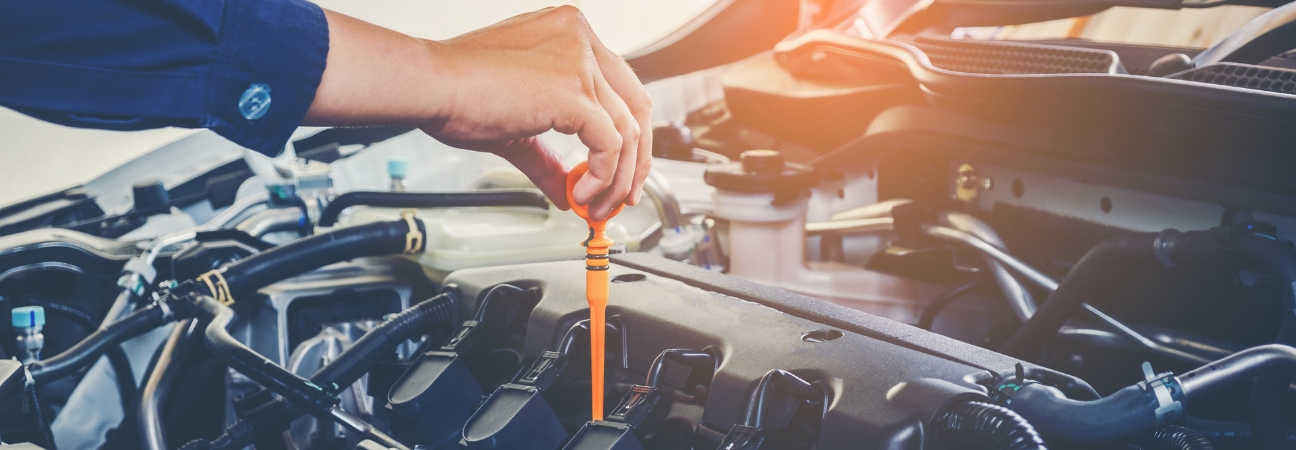
In a previous post, we said that oil is the lifeblood of your vehicle. And that’s true. But it’s just a metaphor. Unlike people, cars don’t have the equivalent of kidneys to remove impurities from oil. Instead, you have to get an oil change.
How often do you need an oil change? That’s the next logical question. The answer has a few layers to it, so let’s drill down.
When Should I Get an Oil Change?
Every 3,000 to 10,000 miles.
You’re probably thinking “That’s a pretty wide range.” Yeah, it is, and that’s because it’s meant to be universal advice. If you own a car, based on all the cars you could own right now, it will need an oil change at minimum every 3,000 miles and at maximum every 10,000 miles.
Still, it’s not exact, and if you or your car are more high maintenance, then it’s also not very helpful.
Really, the frequency with which you get an oil change depends on a couple of factors.
Your driving habits are a big factor. How often you drive your car, how far you drive it on average, and how you handle your car on the road all come into play.
For example, if you drive your car relatively short distances and at low speeds, it might be a good idea to change your oil more often. Why is that? You might not be driving fast enough to maintain the integrity of your oil.
But others suggest that more frequent oil changes — specifically the 3,000-mile mark — are encouraged by people with a vested interest, namely the kinds of quick lube shops that pop up to sell a single brand of oil. By that logic, it’s best to go with what the manufacturer of your car says.
Most owners manuals list a narrower range of getting an oil change every 5,000 to 7,500 miles. Your car could be different, though, so you should definitely reach into your glove box and check (or look your car’s manual up online if you don’t have a hard copy).
The kind of oil you use also plays a part. Synthetic oils will push the interval out, with some types lasting well past the 10,000-mile mark. Do you know what kind of oil your car is running? You probably should.
Consult an Expert on Oil Changes in Madison, WI
You may come away with this post with more questions than answers, but you’re in good hands. The service team at a Zimbrick Automotive Service Center will be able to walk you through the ins and outs of your oil change. We know your car well and can give you solid recommendations on how often to bring it in based on what you drive, how you drive it, and what kind of oil it uses. Reach out to us to schedule your next service appointment.
If you’re wondering if your car needs service right now, make sure you brush up on the signs your vehicle needs an oil change.
5 Tips to Keep Your Teen Driver Safe on the Road
A new driver shouldn’t be expected to be an expert on automotive care and maintenance. That, along with more refined driving skills, will come with time. But it certainly doesn’t hurt to learn some of the basics right out of the gate.
Below are five tips for teen drivers to keep them safely on the road.
How to Keep Your Teen Driver Safe on the Road
Check the tires
Your teen driver may have a newer car with a tire pressure monitoring system that will alert them of any under-inflated tires. But if not, it’s a good idea to perform a visual inspection of all four times on a regular basis to look for signs of deflation. A flat tire is more than just an inconvenience — it can be quite dangerous.
Monitor fluids
Show your teen driver where the oil, coolant, washer fluid, brake fluid, power steering fluid, and transmission fluid are located under the hood. Have them check their fluids regularly and top off as necessary. Doing so will save money, extend the life of their car, and help keep them safe on the road.
Know the two basics
Two of the most common reasons for being stranded are a flat tire and a dead battery. Have a solution for each of these by keeping a spare tire in the trunk (and teaching how to change it) along with a set of jumper cables (and teaching how to use those, too).
Have paperwork in order
Make sure your teen driver has all their paperwork in order in the glove compartment. This includes registration, proof of insurance, an owner’s manual, and a list of emergency contacts. It’s also wise to keep roadside assistance service information on hand. Being prepared for the unexpected is always a good rule of thumb.
Equip the trunk
Keep a first-aid kit and emergency flares in the trunk. You hope to never have to use them, but will be glad to have them if you ever do.
Know Where to Go
One final tip for teen drivers: Make sure they know where to go for auto service in Madison, Wisconsin. Zimbrick is more than just the preferred car dealership in Madison, WI. We also feature a service team that can help get your teen home safely. Contact us today, and together we’ll work to keep your teen driver safe and secure on the road.
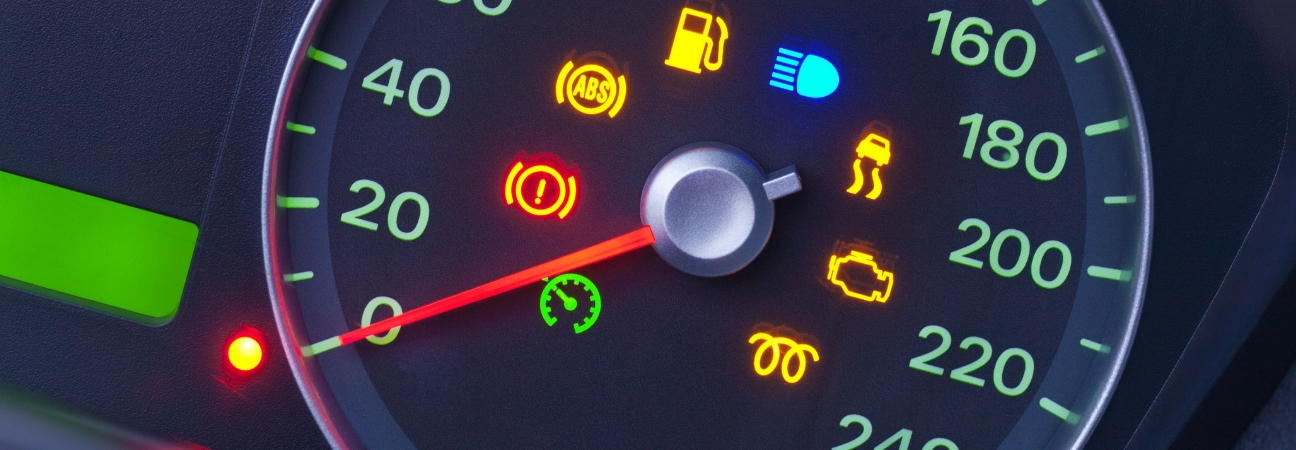
Dashboard warning lights are a great way to alert you of something amiss about your car. But if you don’t know what the light means, it may as well just be a pretty decoration on your dashboard.
Most dashboard warning lights fall into the group detailed below. Let’s take a look.
Common Dashboard Warning Lights
If your dashboard lights up, it’s probably one of the following.
Check engine light
What it looks like: A profile view of an engine, usually yellow or orange in color.
What it means: The check engine light can be the most serious of all dashboard warning lights. There are a number of reasons why it can be triggered, which include anything from a gas cap that is not fully tightened to a blown catalytic converter.
Oil pressure warning
What it looks like: An oil lamp with a drip of oil coming out one end.
What it means: Your oil pressure or oil level is low. If it’s just the oil level, simply top it off and continue to monitor for any possible leaks. If the level is fine, a bad oil filter may be triggering a low-pressure reading.
Tire pressure warning
What it looks like: An exclamation mark inside a U-shaped tire.
What it means: One or more of your tires is getting low on air. Pull over and examine all four tires. If any of them look deflated, get to a service station or gas station with an air hose.
Engine temperature warning
What it looks like: A thermometer, usually red, with wavy lines underneath.
What it means: Your car’s engine is getting too hot and runs the risk of overheating. Look at your temperature gauge to see if it’s above halfway. If so, pull over immediately. Overheating your car can cause serious damage.
Anti-lock brake warning
What it looks like: Typically the letters “ABS” appear inside of a circle.
What it means: Your car has detected an issue with your anti-lock braking system. Have your brakes inspected, and brake gently and carefully until then.
Battery warning
What it looks like: A battery with a plus sign and a minus sign on opposite ends.
What it means: Your battery is getting low on juice. You may experience difficulty starting the car, especially during cold weather.
Fuel warning
What it looks like: A gas pump.
What it means: You are getting low on fuel. Refuel as soon as possible.
Dashboard Light? Visit Zimbrick
If you have a dashboard warning light on, bring your vehicle to Zimbrick, your destination for auto service in Madison, Wisconsin. Just contact us, and our team can decode your warning light and schedule your service right away to get you back on the road, warning-light free.
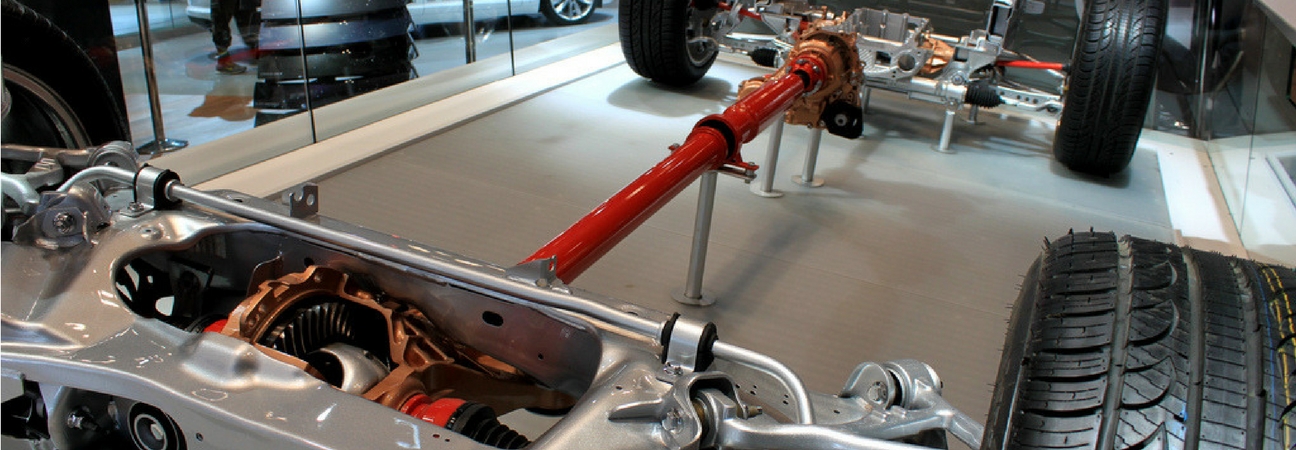
When you’re researching a new vehicle, there’s a lot of information to absorb. Much of it — such as fuel economy, horsepower, and space dimensions — is fairly straightforward to understand. But when it comes to the technical stuff, few concepts can seem as foreign and lofty as drivetrain systems.
So, what is a drivetrain system, anyway?
In a nutshell, there are four main types of drivetrains, and they are the system of parts that deliver power to the wheels of your vehicle. Or, in other words, it’s what gets your vehicle going. Simple enough.
To learn more, take a look at our infographic that breaks down the pros of the four major types of drivetrains.
Questions? Feel free to contact our experts.

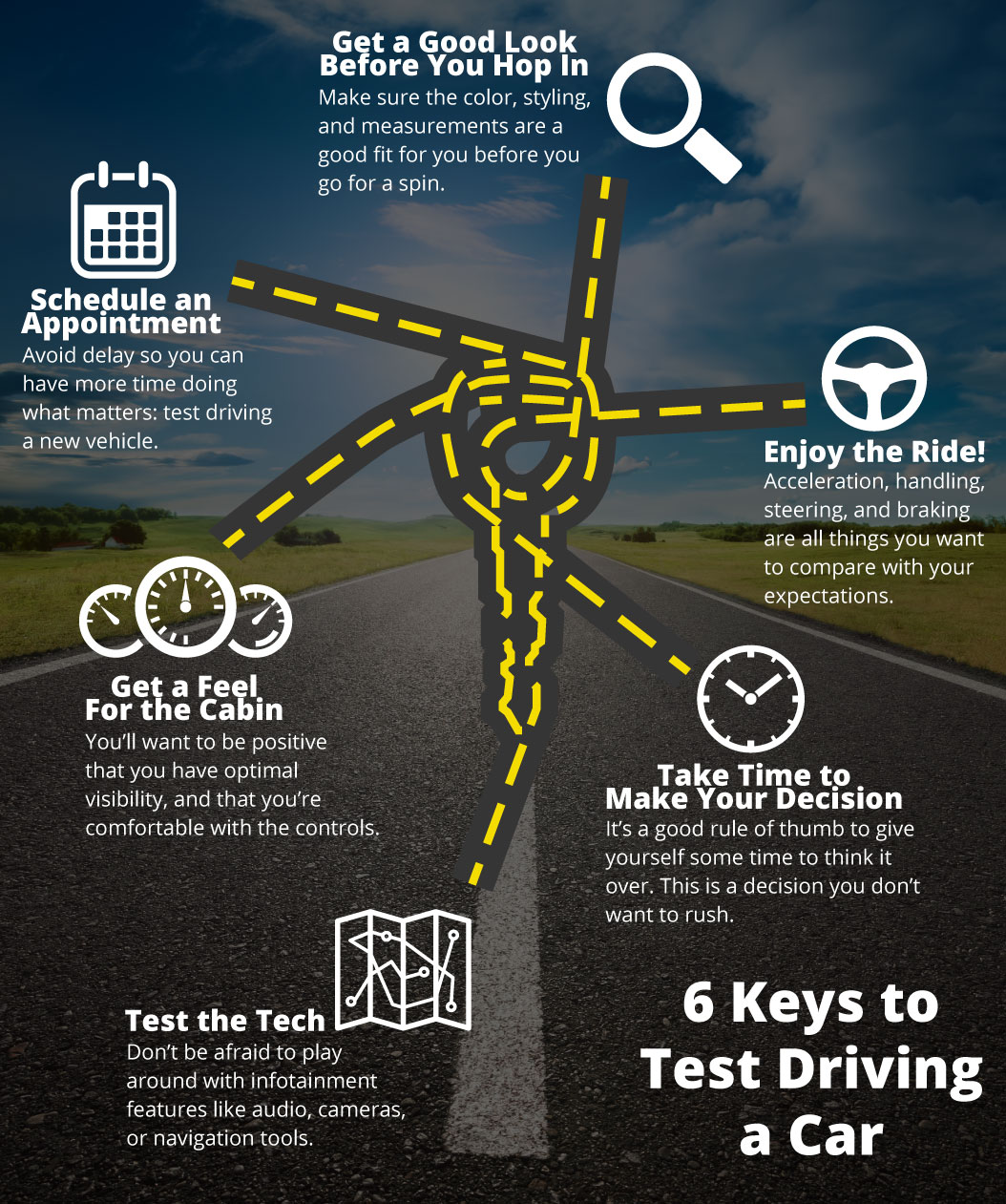
Learn Before You Turn: How to Test Drive a Car

So, you’ve put in all your research, narrowed your list, and driven to the dealership. Now comes the fun part: the test drive. You’re excited, and rightfully so. But while a test drive is an enjoyable experience, it’s also arguably the most important stop on your car-buying journey.
But isn’t doing your homework online sufficient?
Though it’s vital to learn as much information as possible beforehand, it’s still not enough. A new or used car can look perfect on paper, but fall flat on the road. Or it might simply not be the right choice for you. You want a vehicle that’s going to be a companion for many miles and years to come. So what should you look for at the dealership?
Here are some keys to consider before we hand you the keys for your test drive at any one of our Zimbrick locations.
Connect with us
